Crypto leaders are rallying behind Elon Musk’s DOGE initiative, offering bold suggestions to curb SEC overreach, demand accountability, and push for pro- crypto regulatory reforms.
Coinbase and Ripple Propose Big Changes as Elon Musk's DOGE Targets SEC Reform

This article was published more than a year ago. Some information may no longer be current.
WRITTEN BY

SHARE
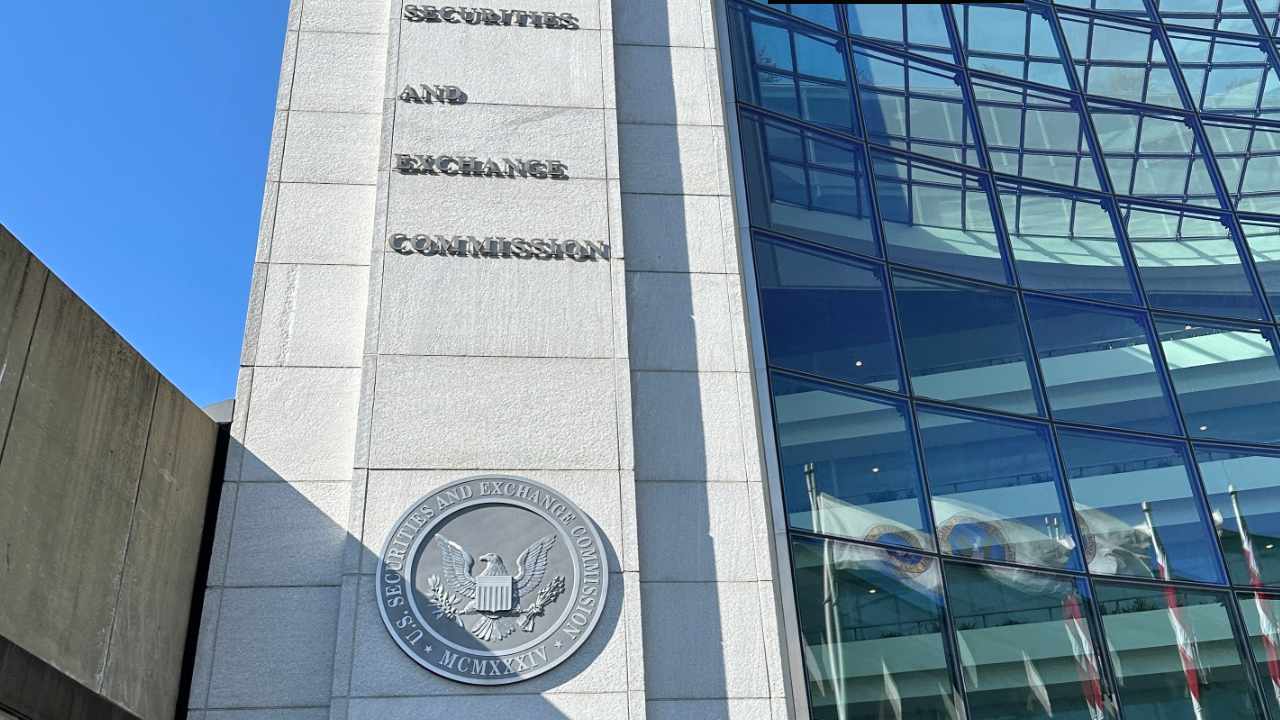
Crypto Industry Challenges SEC Amid DOGE Initiative
Crypto industry leaders, including executives from Coinbase and Ripple, have responded to the Department of Government Efficiency (DOGE), an initiative led by Elon Musk, which is seeking public input on waste, fraud, and abuse within government agencies, including the Securities and Exchange Commission (SEC).
“DOGE is seeking help from the public! Please DM this account with insights on finding and fixing waste, fraud and abuse relating to the Securities and Exchange Commission,” DOGE’s SEC audit account posted on social media platform X on Feb. 17. The request has prompted responses from cryptocurrency advocates critical of the SEC’s regulatory actions.
Paul Grewal, Chief Legal Officer of Coinbase, responded by proposing a policy change aimed at discouraging excessive SEC litigation. He shared on X:
Here’s one: adopt a rule that defendants who defeat SEC lawsuits get all their attorney fees and costs from the Commission budget.
Attorney John Deaton also weighed in, stating that he had privately messaged DOGE with additional concerns. He pointed to the SEC’s lawsuit against Dragonchain, calling it another example of regulatory overreach. “It is another non-fraud case filed by the SEC in its war against crypto,” Deaton wrote, urging key figures such as crypto czar David Sacks, Executive Director of the President’s Council of Advisers on Digital Assets Bo Hines, and SEC Commissioners Hester Peirce and Mark Uyeda to examine the case. He specifically called attention to Jorge Tenreiro’s role in the SEC’s decision-making, questioning the motivations behind the lawsuit.
Stuart Alderoty, Chief Legal Officer at Ripple, criticized the SEC’s pattern of filing “follow-on” enforcement actions after the Department of Justice (DOJ) has already prosecuted financial crimes. He described:
One major source of waste at the SEC is its habit of filing ‘follow-on’ actions after the DOJ has prosecuted claims (see FTX). These cases add little value, often result in uncollectible penalties, and are more about headlines than investor protection. The SEC should focus on its core mission instead of duplicating efforts.
Grewal agreed, stating that if the DOJ chose not to pursue securities fraud charges after a full investigation, the SEC should not step in to do so.
Following Gary Gensler’s departure, the SEC has undergone significant leadership changes and policy shifts under the Trump administration. Acting SEC Chair Mark Uyeda, known for his pro- crypto stance, has appointed Commissioner Hester Peirce to lead a newly formed crypto task force aimed at developing a clear regulatory framework for digital assets. This initiative reflects President Trump’s broader strategy to promote digital currency adoption and reduce regulatory hurdles, as evidenced by his recent executive order establishing a working group to explore a national bitcoin reserve and prohibiting the creation of a central bank digital currency. These developments signal a departure from the previous administration’s stringent oversight, with the SEC now focusing on collaboration and transparency to foster innovation in the cryptocurrency sector.