Crypto and financial markets are converging in new ways as institutions, regulators, and macro forces reshape the landscape. NYSE parent ICE has invested in crypto exchange OKX at a $25 billion valuation, signaling deeper Wall Street integration with digital assets. Arthur Hayes argues the next bitcoin buying opportunity could follow Fed rate cuts tied to geopolitical conflict spending, while Nasdaq seeks approval for prediction-style index options. Meanwhile, Fed chair nominee Kevin Warsh calls bitcoin an important signal for policymakers, and new theories revisit the liquidity dynamics behind the October 2025 crypto crash.
Chinese Tea Money, Arthur Hayes' Forecasts, and More – Week In Review
WRITTEN BY

SHARE
Week In Review
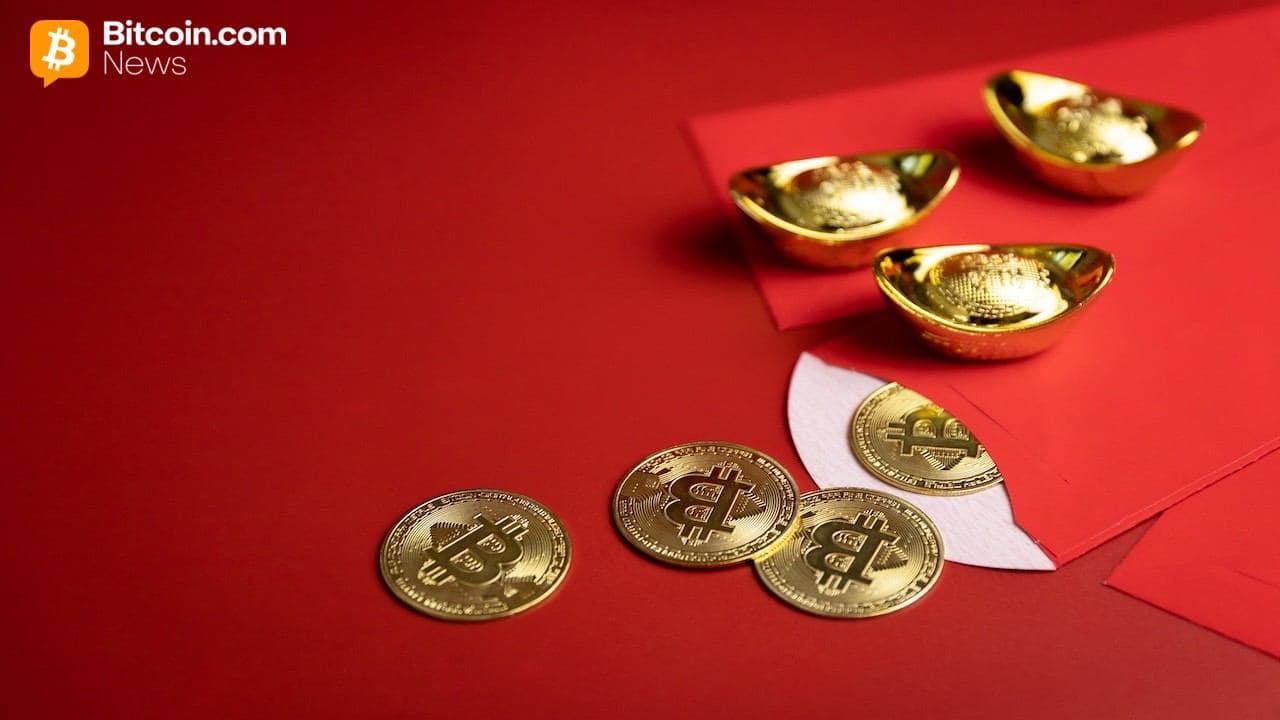
October 10th and the Flight of the Chinese Tea Money
Crypto investors remember October 2025 for the historic liquidation event that shaved off billions in market cap, broke charts across exchanges, and left traders… read more

Editor’s comment:
A special deep-dive report from Bitcoin.com that introduces a new theory on what happened during the flash crash of October 10, 2025. Originally sourced from David Sencil’s on-the-ground contacts in Hong Kong, and later fleshed out in new research, we think this deserves more attention.
NYSE Parent ICE Invests in OKX at $25 Billion Valuation
Intercontinental Exchange (ICE), the parent company of the New York Stock Exchange (NYSE), has invested in crypto exchange OKX at a $25 billion valuation… read more

Editor’s comment:
Wall Street has arrived, and so far, they are not buying our bags, just the biggest infrastructure pieces. ICE will secure a seat on OKX’s board as part of the agreement. The question of how value accrues to tokens remains unanswered.
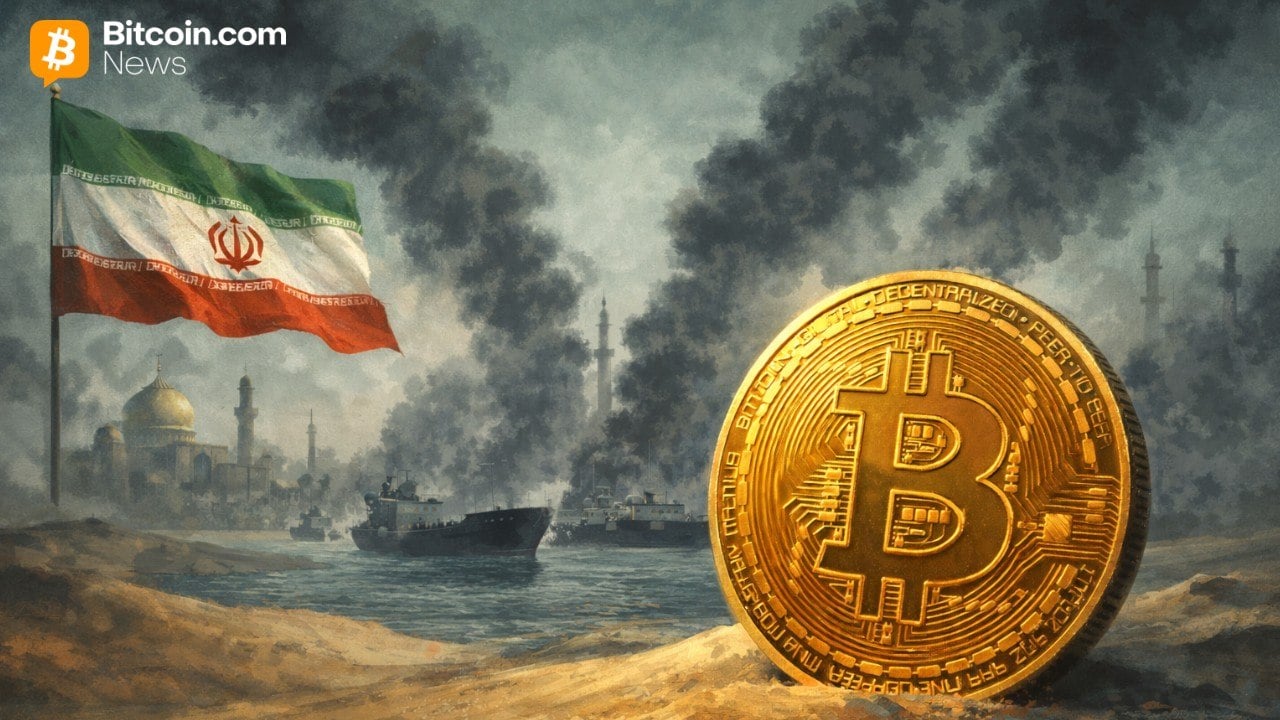
When Is a Good Time to Buy Bitcoin? Arthur Hayes Points to Fed Cuts Amid Iran Conflict
Arthur Hayes signals a strategic window for bitcoin investors as potential U.S. conflict spending could push the Federal Reserve toward… read more
Editor’s comment:
Arthur’s take could be risky to act on in the short term, but over the long term seems prudent. Wars are expensive and historically have prompted the state to increase the price and quantity of money. If it does happen, it’ll be volatile on low timeframes, but most likely an uptrend on the higher timeframes.
Nasdaq Seeks SEC Approval to Launch Prediction-Style Index Options
Nasdaq is seeking SEC approval to list fixed-payout Outcome-Related Options tied to the Nasdaq-100 indexes… read more
Editor’s comment:
Now that the financialization of everything is the driving force behind the US economy, the major financial infrastructure firms are fully committed to making sure everyone can speculate on absolutely everything. These products will essentially be binary-style derivatives available on U.S. options markets.
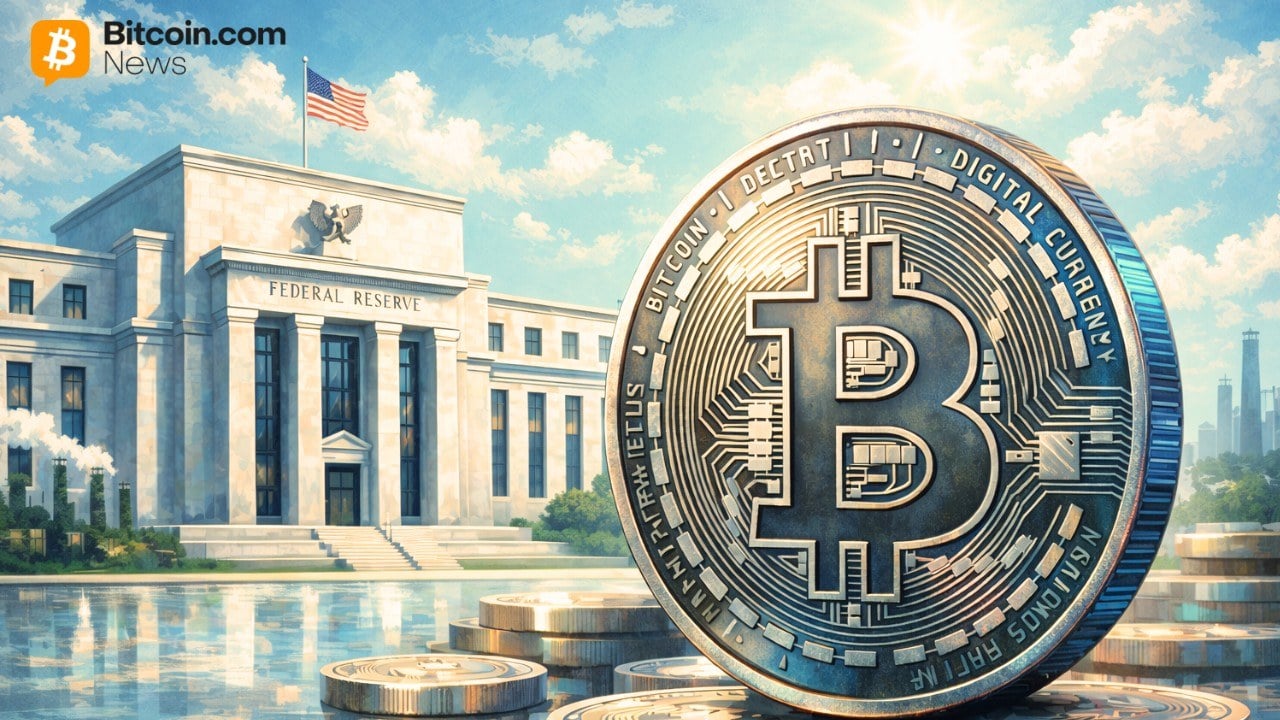
Fed Chair Nominee Kevin Warsh Calls Bitcoin an Important Asset for Policymakers
Bitcoin’s policy outlook brightens as the White House formally nominates Kevin Warsh to lead the Federal Reserve, elevating a former governor… read more.
Editor’s comment:
A Fed that is fully aligned with the “ Crypto President” could be a good catalyst for digital assets as we move into the second half of Trump’s term. Michael Saylor said earlier this year that regulatory support would likely be the strongest fundamental tailwind for Bitcoin.
FAQ 🔎
- What caused the October 10, 2025 crypto crash?
A new theory suggests a crackdown on Chinese underground banking “tea money” may have drained liquidity and amplified the market’s largest liquidation event. - Why did ICE invest in crypto exchange OKX?
The NYSE parent invested at a $25B valuation to accelerate tokenized stocks, derivatives, and deeper integration between Wall Street and crypto markets. - When does Arthur Hayes say it’s a good time to buy bitcoin?
Hayes argues the best buying opportunity may come after the Federal Reserve cuts rates or prints money in response to geopolitical conflict spending. - Why does Fed chair nominee Kevin Warsh matter for crypto?
Warsh has described bitcoin as an important asset for policymakers, signaling a potentially more crypto-friendly approach at the Federal Reserve.