The Central Bank of Bolivia has lifted a blanket ban on using bitcoin and other cryptocurrencies in the national financial system, opening the doors for integrating exchanges and other crypto service providers into its economy. The institution derogated a 2020 resolution prohibiting financial institutions from facilitating crypto-related payments.
Central Bank of Bolivia Unbans Bitcoin From the Nation's Financial Ecosystem

This article was published more than a year ago. Some information may no longer be current.
WRITTEN BY

SHARE
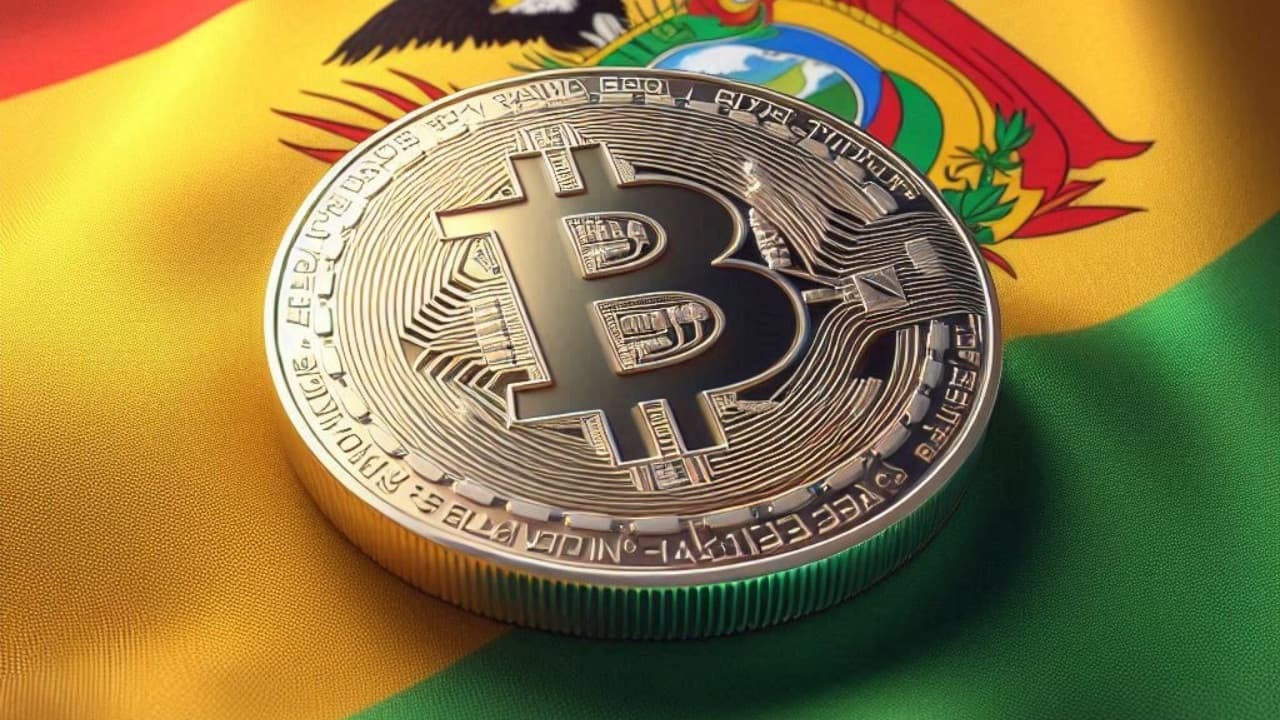
Central Bank of Bolivia Lifts Bitcoin Ban, Opens New Crypto-Related Opportunities
Bitcoin and cryptocurrencies are starting to be valued even by countries that have rejected them in the past. The Central Bank of Bolivia has taken a historic step in enabling the cryptocurrency ecosystem in the nation, lifting a blanket ban that kept financial institutions from serving crypto-related transactions. With Resolution N°082/2024, issued on Tuesday, the bank lifts any prohibition related to these assets, opening the door for the intermediation of institutions to complete payments to acquire these assets.
Resolution N°144/2020, issued in December 2020, banned financial institutions from using, authorizing, or intermediating payments to acquire or sell these assets, effectively blocking crypto from entering Bolivia’s markets. At the time, the bank stated that citizens should “avoid using, marketing, and negotiating” digital assets, “since they are issued anonymously, and in cases of fraud, scams, or losses to their holders, there are no guarantees to protect the investment.”
The bank attended the recommendations of the Financial Action Task Force of Latin America (GAFILAT), which in its evaluation of Bolivia stated that it should “consider the regulation of Virtual Assets Service Providers (VASPs) in accordance with the public policy defined in the Bolivian context.”
Edwin Rojas Ulo, president of the central bank, declared that this new decision will provide the population with an “additional mechanism that will contribute to the strengthening of financial and commercial activities.” Nonetheless, at the same time, the institution clarified that the boliviano (BOB) was the only legal currency in the country and that these digital assets were neither legal tender nor cash. This means that users of these crypto assets will have to deal with the risks associated with using and commercializing them.
To follow all the latest developments in crypto and the economy in Latin America, sign up for our Latam Insights newsletter below.
What do you think about the lifting of the bitcoin ban in Bolivia? Tell us in the comments section below.