Following discussions about Google’s latest quantum computing chip, speculation is rife that Bitcoin’s days are numbered and its cryptography is at risk of being compromised.
Can Bitcoin Be Broken? Debates Ignite as Google’s Willow Chip Pushes Quantum Boundaries

This article was published more than a year ago. Some information may no longer be current.
WRITTEN BY

SHARE
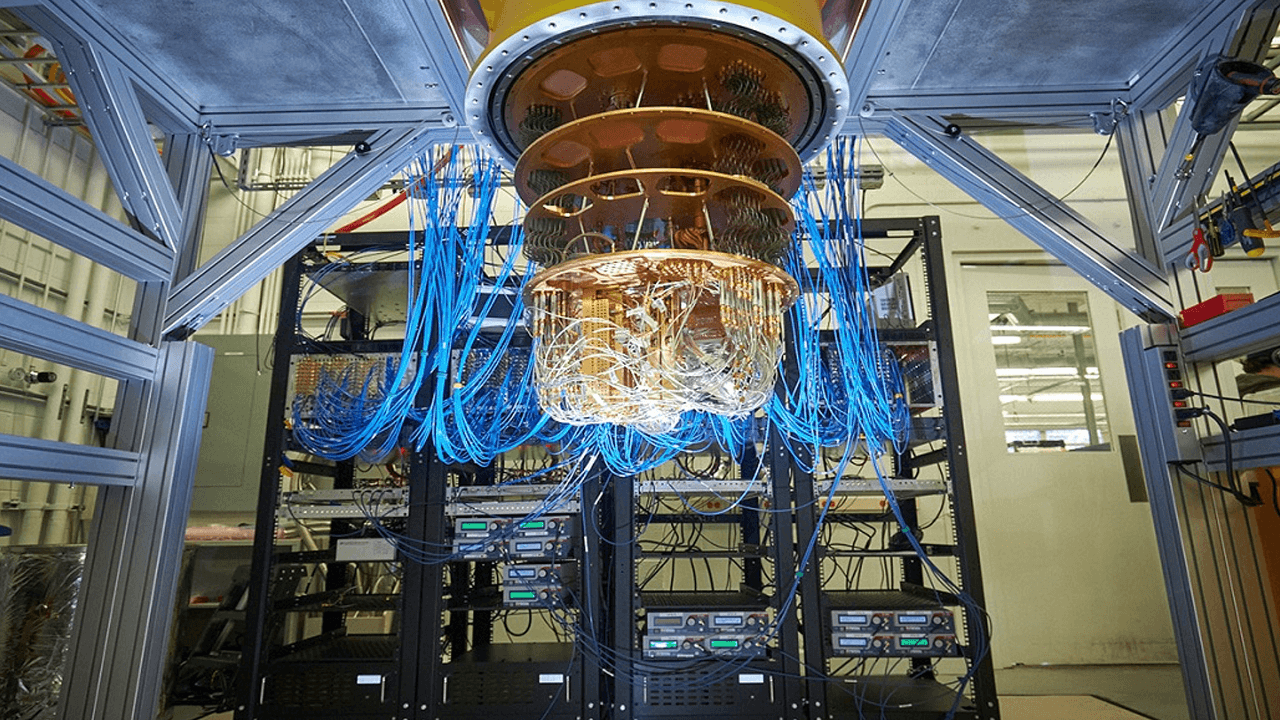
Google’s Willow Chip Launches Heated Bitcoin Discussions
On Monday, the CEO of Google and its parent company, Alphabet Inc., Sundar Pichai shared an X thread introducing Willow, a cutting-edge quantum computing chip. The post highlighted the chip’s advanced error correction capabilities and its potential to pave the way for large-scale quantum computing.
“Introducing Willow, our new state-of-the-art quantum computing chip with a breakthrough that can reduce errors exponentially as we scale up using more qubits, cracking a 30-year challenge in the field,” the Google executive wrote. “In benchmark tests, Willow solved a standard computation in <5 mins that would take a leading supercomputer over 10^25 years, far beyond the age of the universe(!).”
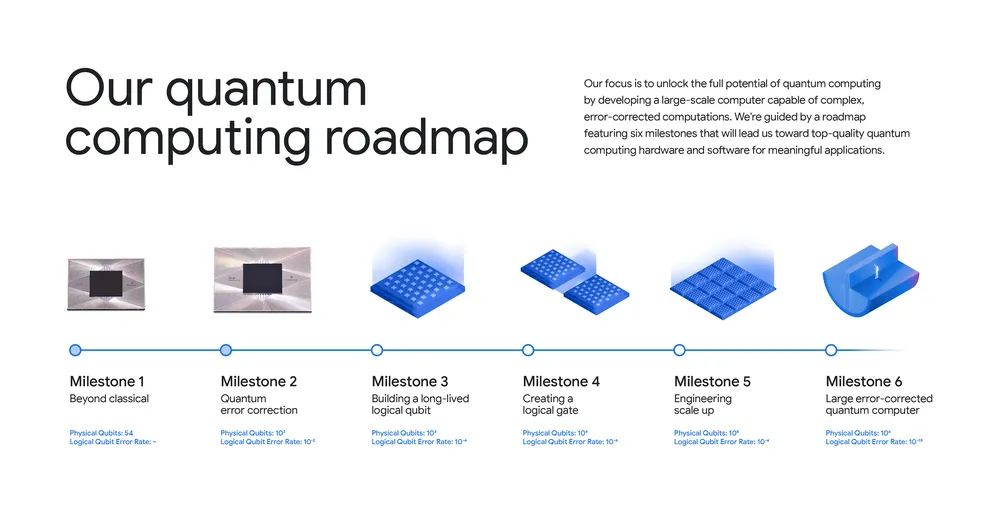
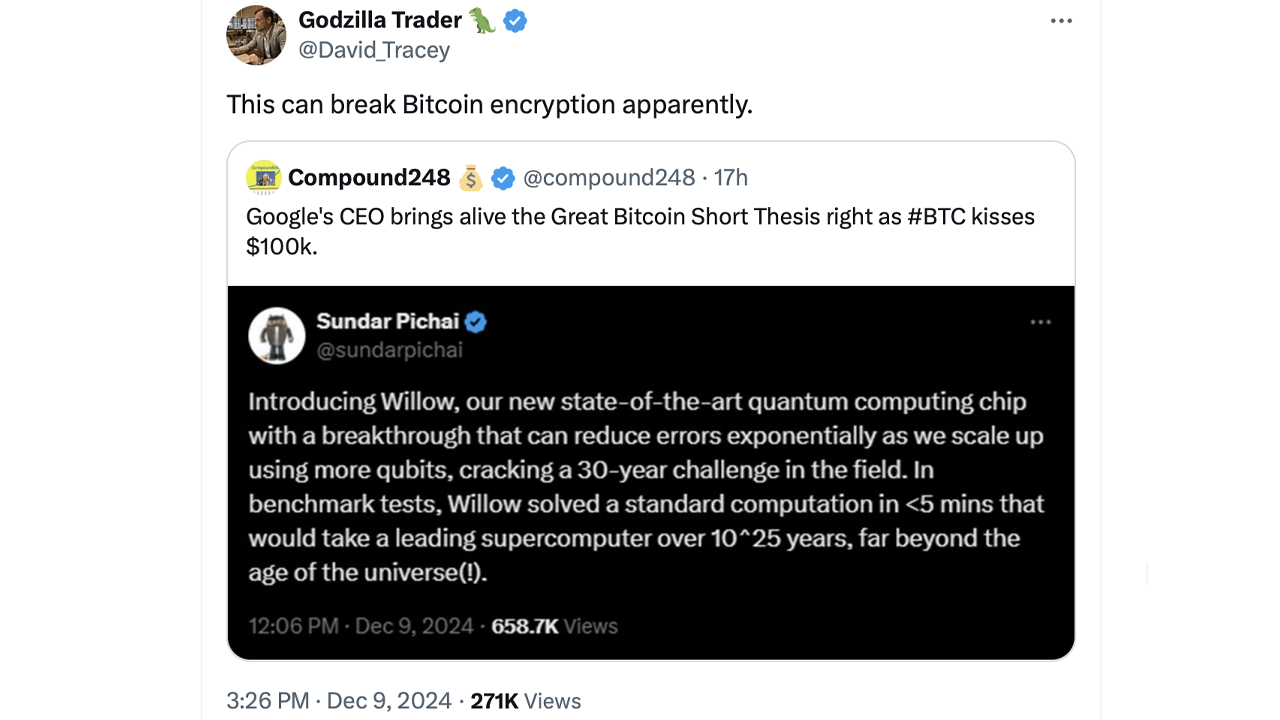
In essence, that’s a computation cracked in under five minutes—something that would take a top-tier supercomputer over ten septillion years to complete. This leap in technology has ignited debates about what it might mean for Bitcoin’s cryptographic defenses. The chatter has been buzzing on X, with countless posts adding fuel to the fire. Among them, the self-proclaimed “ gold maximalist” Debra Robinson declared, “$3.6 trillion of cryptocurrency assets are, or soon will be, vulnerable to hacking by quantum computers.”
Many BTC supporters jumped into the conversation sparked by Robinson’s statement on X. “Unlike gold, software can be upgraded to protect against new threats,” Casa’s CTO Jameson Lopp shot back. Bitcoin author Ben Sigman shared in a post that Bitcoin’s encryption relies on two types of cryptographic systems, both of which would require millions of physical qubits to pose any genuine risk. Eight years ago, Bitcoin advocate, educator, and author Andreas Antonopoulos nailed it.
In a keynote speech, Antonopoulos broke down how Bitcoin’s resilience against quantum computing isn’t a matter of chance—it’s the product of Satoshi Nakamoto’s brilliant design. He explained that Bitcoin’s security is built on two core cryptographic systems: elliptic curve multiplication and hash algorithms. While quantum computing might someday pose a threat to elliptic curve cryptography, hash algorithms remain impervious.
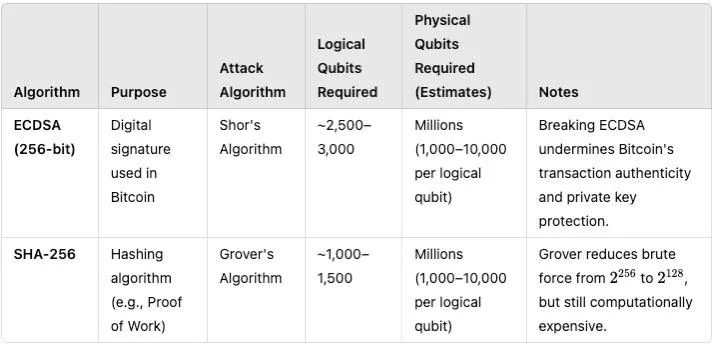
At the time, Antonopoulos also pointed out that Bitcoin addresses are double-hashed, keeping public keys hidden until funds are spent. By the time a public key is revealed, the address it belonged to is empty, making hacking efforts futile. This multi-layered defense, he emphasized, isn’t accidental; it’s a visionary piece of engineering that ensures Bitcoin stays a step ahead, even as technology evolves.
While a breakthrough may still be decades off and poses no immediate threat, Willow’s debut still highlights the eventual clash between advancing technology and entrenched systems, challenging the limits of innovation. Yet, the enduring resilience of Bitcoin reflects a foundational brilliance—designed not for complacency but adaptability. The cryptographic safeguards, rooted in foresight, reaffirm that progress need not dismantle; it can compel refinement, keeping the balance between disruption and enduring strength intact.
The debate sparked by Willow is not a herald of obsolescence but quite possibly a clarion call for evolution. As quantum computing strides forward, Bitcoin’s architecture illustrates a deeper truth: ingenuity lies not in static perfection but in dynamic endurance. As Antonopoulos so eloquently put it years ago, the push and pull between danger and ingenuity drives humanity’s progress, showing that innovation sparks both challenges and renewal.
In a Bitcoin.com News poll posted to X with nearly 500 votes by 8:15 a.m. EDT on Dec. 10, 2024, around 49.4% of the poll participants voted that they are “not concerned at all” about Google’s quantum computing breakthrough.