Experts warn that a bitcoin-only reserve poses concentration risks and exposes the U.S. to potential volatility. Two experts urge the U.S. administration to diversify its crypto stockpile to build a resilient digital reserve and reduce systemic risks.
BTC vs. XRP: Experts Warn of Concentration Risks in US Bitcoin-Only Reserve

This article was published more than a year ago. Some information may no longer be current.
WRITTEN BY

SHARE
Ripple vs. Bitcoin Maximalists
The establishment of a bitcoin-only reserve poses concentration risks and exposes the U.S. to potential volatility, experts warn. While bitcoin is considered the most established and secure crypto asset, relying solely on it for a U.S. crypto reserve overlooks the benefits of diversifying with other digital assets.
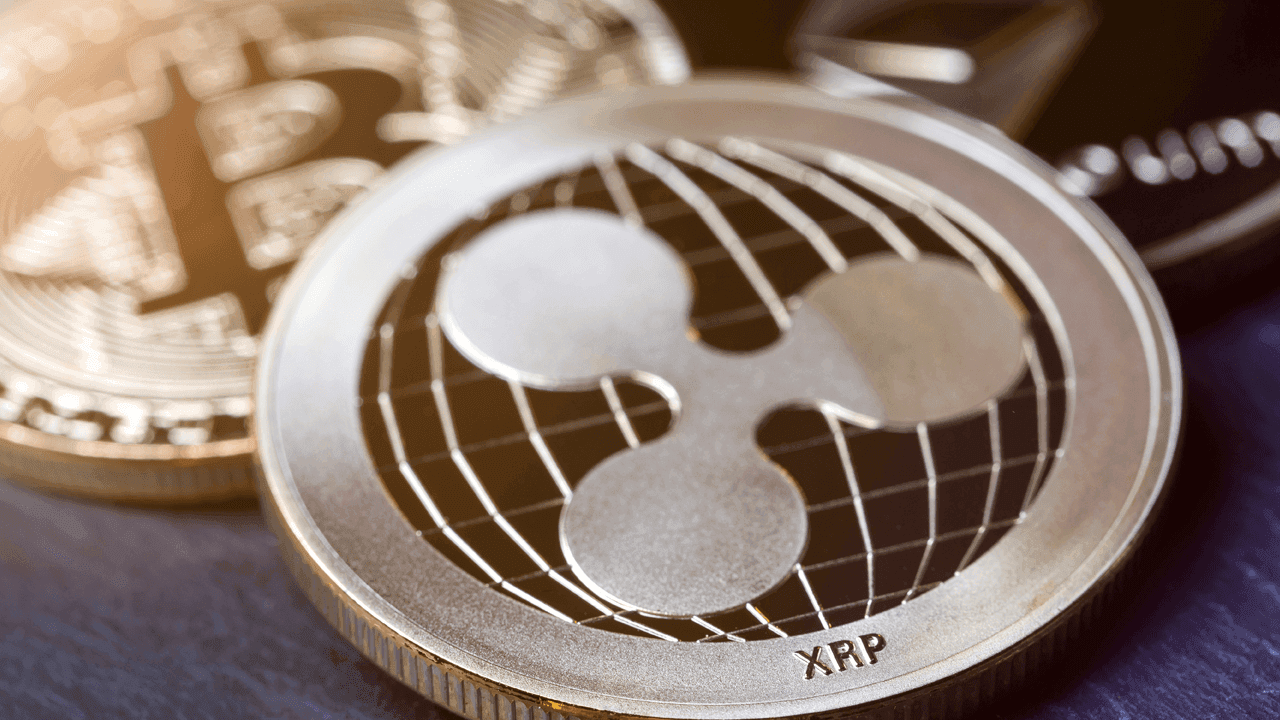
Den Manu, CMO at Funtico, urges the U.S. administration to diversify its crypto stockpile to build a resilient digital reserve. Lynn Chen, CMO at Sonex, echoes this sentiment, stating that a multi-asset reserve reduces systemic risks. The remarks by the two experts come amid an ongoing dispute between bitcoin maximalists and supporters of Ripple and its coin, XRP. The feud began with rumors that Ripple CEO Brad Garlinghouse is pushing to include XRP in the U.S. digital asset stockpile.
The controversy escalated with a private meeting between Trump, Garlinghouse, and Stuart Aldertoy, Ripple’s chief legal officer. This development has fueled resentment among bitcoin maximalists, who some who blame Garlinghouse for influencing the Trump adminstration to shift away from a bitcoin-only reserve. However, Garlinghouse remains unperturbed, emphasizing the importance of a “level playing field” in a “multichain world” where digital assets coexist rather than compete.
Regarding Garlinghouse’s endorsement of the movement advocating for including XRP and Solana in the reserves, Chen concurred that this could stabilize the stockpile. However, the Sonex CMO acknowledged that such a move might come with risks. Manu, meanwhile, explained to Bitcoin.com News the importance of a stockpile composed of diverse digital assets.
“A true financial revolution is when every person can create their own money—a currency enriched by its underlying value and growing in worth based on the belief and utility it inspires. Whether it’s XRP or Doge, those are just details. The bigger picture is how these assets empower individuals and reshape the concept of value itself,” the Funtico executive said.
‘Made in America’ Narrative Could Alienate Global Crypto Communities
Manu added that while rivalries may lead to increased volatility, he argued the U.S. crypto reserve initiative will succeed only if it prioritizes “utility, scalability and global competitiveness over internal rivalries.”
Regarding the “made in America” narrative gaining traction before Trump’s inauguration, Manu said it’s beneficial for domestic adoption but risks limiting the U.S. reserve’s global competitiveness. Chen noted, “Including ‘made in America’ coins could spark innovation and investment in U.S.-based crypto projects, but risks alienating global crypto communities if seen as overly nationalistic.”
Chen emphasized that the U.S. government must pursue clear, technology-neutral policies focusing on functionality and security rather than ideology. Other industry players, including crypto exchanges and wallet providers, can contribute to the development of the U.S. digital asset reserve by acting as neutral facilitators, promoting education, accessibility and inclusion.