The Russian Finance Minister offered insight into the inner workings of the new BRICS payment system at the recent summit held in Kazan. Anton Siluanov stated that the modern system will take digital financial assets into account and will be able to deliver financial messages.
BRICS Payment System a SWIFT Substitute? Network to Implement Digital Assets and Financial Messages

This article was published more than a year ago. Some information may no longer be current.
WRITTEN BY

SHARE
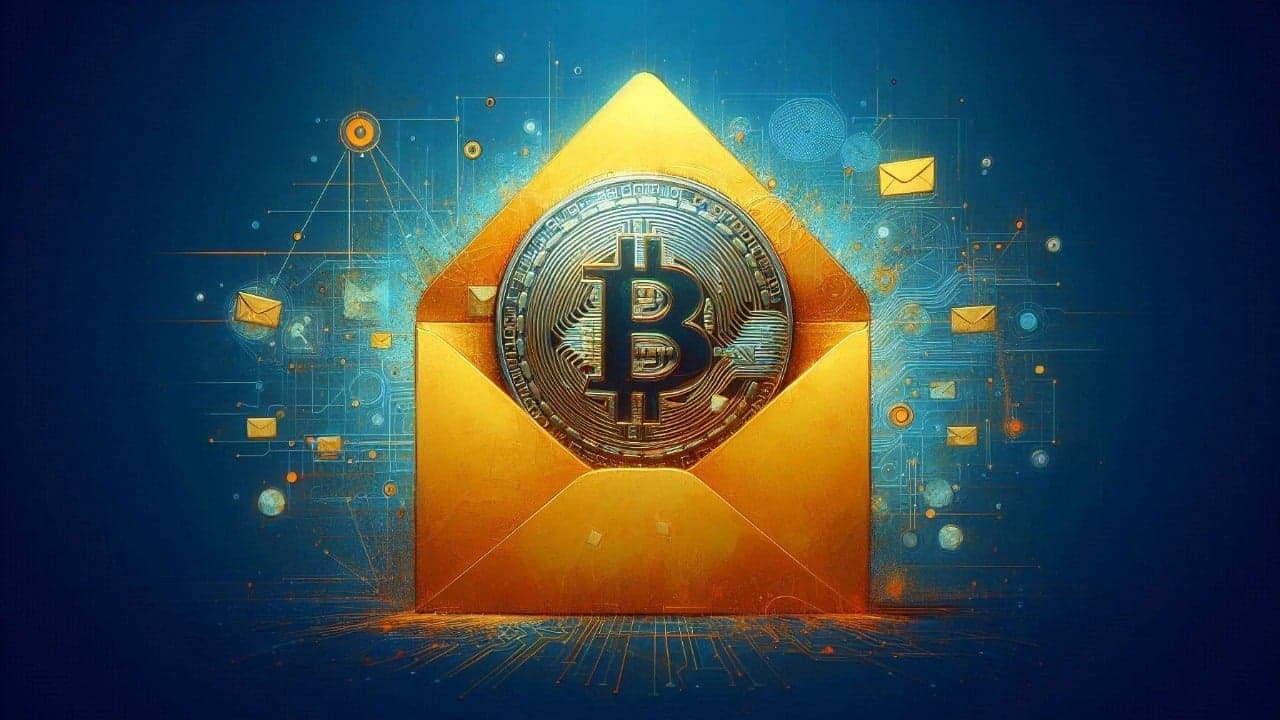
BRICS Proposed Payment System Might Use Digital Assets as Currencies
The new payment system proposed at the BRICS summit held in Kazan will be multicurrency and will allow a higher integration level of digital financial assets with traditional networks. Anton Siluanov, the Russian Financial Minister, explained more about the inner workings of this system and how it would innovate to reduce dependence on the U.S. dollar.
At the sidelines of Kazan’s BRICS organization summit, integrated by Brazil, Russia, India, China, South Africa, Egypt, Ethiopia, Iran, Saudi Arabia, and the United Arab Emirates (UAE), Siluanov detailed:
This payment system will allow the replacement of banking organizations on one hand. On the other hand, it will include a system for transmitting financial messages.
Siluanov’s statements hype this new payment network as an equivalent to the Society for Worldwide Interbank Financial Telecommunications (SWIFT), a financial network considered the de facto standard for cross-border payments using correspondent banking principles.
However, Siluanov explained this new system would combine these messaging capabilities with an innovation: digital financial assets (DFA). “This system is planned on new formats, and approaches, taking into account the use of digital financial assets. This is a new system design,” he stressed.
However, SWIFT is also experimenting with adding digital asset messaging features to its global payment network. In September, the organization shared that this feature was still in the testing stages, focusing on integrating central bank digital currencies into its network.
Read more: Swift Unveils Plan to Integrate Digital Assets and Currencies Into Global Payment Network
In March, President Putin signed a law banning these tools for domestic payments but opened the door for their use for international settlements. DFA assets include elements such as tokenized metals, and even central bank digital currencies.
Read more: Russia Regulates Use of Digital Assets for International Settlements
Siluanov highlighted that building this system was of utmost importance for the bloc, given that the current messaging system had been politicized, making this a hot topic at the BRICS summit.
Writers’ take: Implementing financial digital assets in the BRICS payment system opens the doors to central bank digital currencies and even gold tokens to drive international trade. Pending local regulations from the bloc, this move would give these assets a main role as a solution for commodities trade between bloc countries affected by sanctions, skyrocketing real “medium of exchange” adoption.