Russian Finance Minister Anton Siluanov has emphasized the rising influence of BRICS nations during a recent event, noting their projected economic growth of 4.4% in 2024-2025, compared to 1.7% for G7 countries. Siluanov highlighted BRICS’ growing share of global GDP, now at 36.7%, and the addition of new members like Saudi Arabia, Iran, and the UAE, positioning the group as a leading force in global economic dynamics.
BRICS Nations Set for 4.4% Growth in 2024-2025, Outpacing G7 Economies

This article was published more than a year ago. Some information may no longer be current.
WRITTEN BY

SHARE
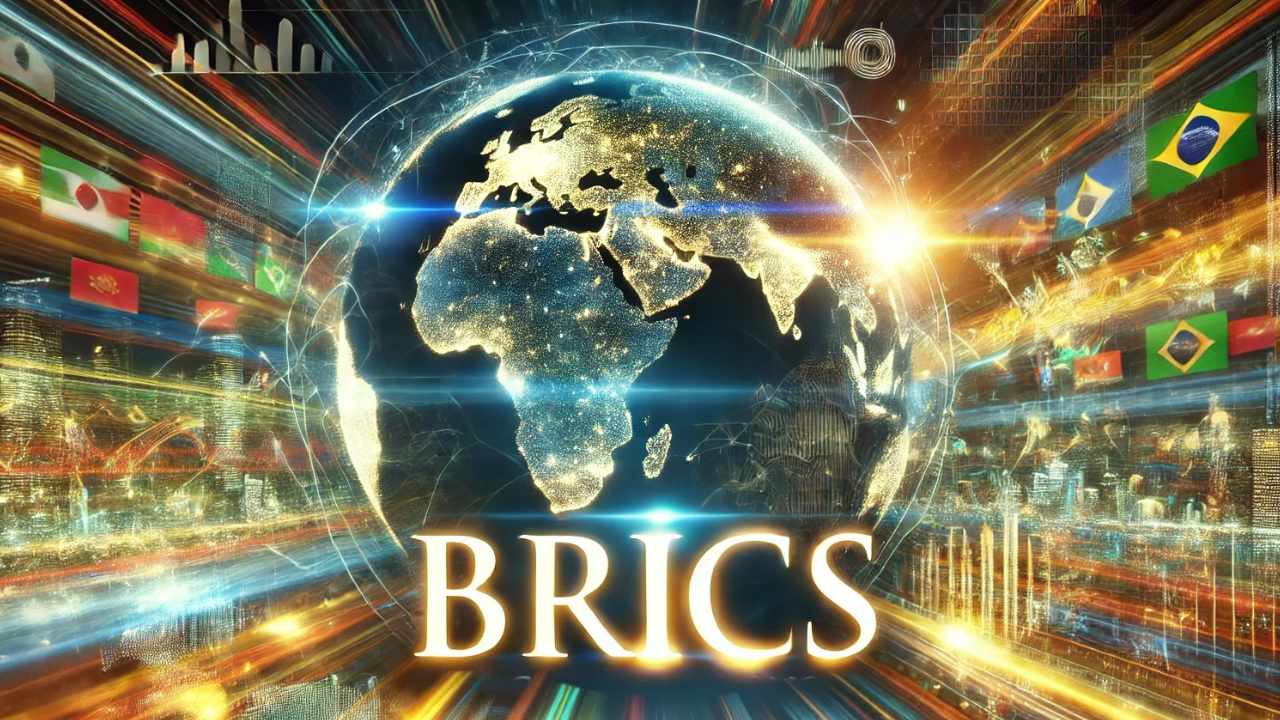
BRICS Nations Emerging as Global Economic Powerhouse, Says Russian Finance Minister
Speaking at a recent event in Moscow, Russian Finance Minister Anton Siluanov highlighted the increasing role of BRICS nations in the global economy. Siluanov stated that BRICS countries, which now include Brazil, Russia, India, China, South Africa, and newly added members such as Argentina, Egypt, Ethiopia, Iran, Saudi Arabia, and the UAE, will see their economies expand by an average of 4.4% annually in 2024 and 2025.
The Russian official stated:
BRICS countries are the driver, the powerhouse of economic growth. We see the average growth rates of BRICS economies at present, in 2024-2025, is 4.4% annually. If we look at G7 countries, this is 1.7%. It is clear whose development is more dynamic.
Siluanov also noted that BRICS’ share of the global economy has reached 36.7%, a figure that reflects its expanding influence on international markets. The inclusion of new members signals an even broader economic footprint for BRICS in shaping global trends.
The projected growth rates for 2024-2025 emphasize BRICS’ emergence as a leader in global growth, outpacing the slower performance of G7 economies. Siluanov’s remarks highlight ongoing discussions about the shifting global economic power, with BRICS playing a central role.
The recent inclusion of nations like Saudi Arabia, the UAE, and Iran into BRICS is reshaping the global economic landscape and challenging the G7’s long-standing influence. BRICS, which now represents nearly 36.7% of global GDP, is using its expanding economic and geopolitical clout to reform international financial systems and reduce reliance on the U.S. dollar. This shift has raised concerns among G7 members, particularly as BRICS gains influence in key sectors like energy, with Saudi Arabia enhancing its reach. As BRICS’ share of global GDP grows, the G7’s influence is waning, marking a shift in economic power.
How do you view the growing influence of BRICS nations and their challenge to the G7’s dominance? Share your thoughts in the comments section below.