BRICS will prioritize alternative payment systems in 2025, aiming to reduce reliance on the U.S. dollar and boost trade in local currencies under Brazil’s leadership.
BRICS Intensifies Alternative Payments—2025 Agenda Targets Dollar-Free Systems

This article was published more than a year ago. Some information may no longer be current.
WRITTEN BY

SHARE
BRICS Prioritizes Alternative Payments in 2025
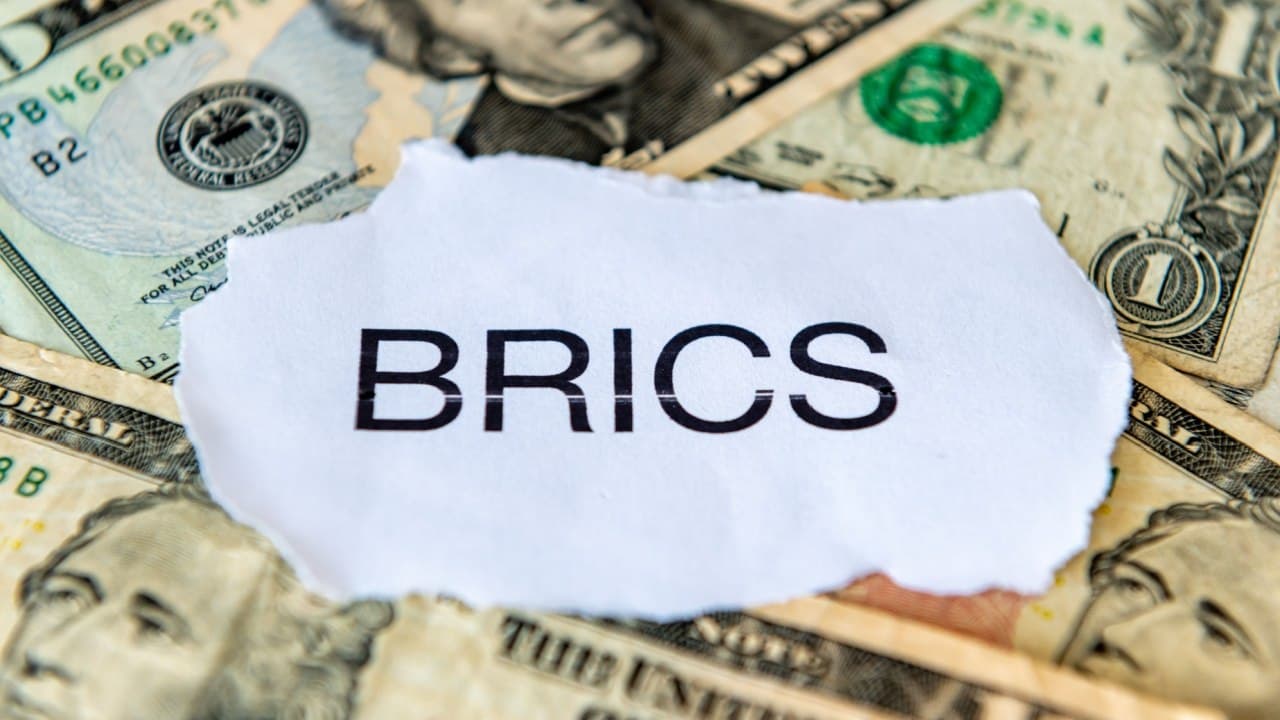
The development of alternative payment systems and reducing reliance on the U.S. dollar will be central to BRICS initiatives in 2025 as Brazil takes over the group’s presidency. This focus aims to strengthen economic cooperation among BRICS nations and their partners by facilitating trade in local currencies and creating financial mechanisms that bypass traditional Western-dominated systems.
Dmitry Suslov, deputy director at Russia’s Center for Comprehensive European and International Studies at the National Research University Higher School of Economics, highlighted this priority in an interview with Tass, explaining that Brazil’s focus on alternative payment systems aligns with the direction set by Russia during its BRICS presidency. He said:
The work on the creation of alternative payment systems and alternative settlement systems will continue throughout the Brazilian presidency. Also, the Brazilian presidency will press for a greater role of the Global South in global governance.
Brazilian President Luiz Inacio Lula da Silva’s administration will continue advancing financial reforms initiated under Russia’s presidency, with a particular focus on facilitating trade in local currencies among BRICS nations and their partners. As of Jan. 1, 2025, partner nations such as Belarus, Bolivia, Indonesia, Kazakhstan, Cuba, Malaysia, Thailand, Uganda, and Uzbekistan will engage more actively in BRICS activities.
Suslov emphasized that the goal is to deepen cooperation within this network rather than expand BRICS membership in the near term. He stressed:
The main emphasis should be and will be placed precisely on relations with partner countries.
“The more so, since the official position of Brazil is entirely coherent with Russia’s in that further near-term expansion of BRICS is not expedient, while it is essential to achieve the maximum content, to put the emphasis on partnership and pay the maximum attention to it,” he noted.
The upcoming BRICS summit in July shortens the timeline for implementing initiatives, limiting the number of engagements compared to Russia’s tenure, which saw over 250 events. Despite this, reducing reliance on the U.S. dollar remains a top priority, with Brazil expected to promote alternative financial mechanisms that enhance the Global South’s influence in global governance. The transition from leading the G20 to chairing BRICS allows President Lula to maintain focus on economic development and financial sovereignty, reinforcing his administration’s push for stronger economic independence from Western-dominated monetary systems.