BRICS nations are considering adopting the petroyuan for oil trade as part of their ongoing dedollarization efforts, according to economic expert Herbert Poenisch. He noted the BRICS group may discuss alternatives to the petrodollar at their Kazan summit. He highlighted Saudi Arabia’s potential shift towards the petroyuan and Russia’s plans to reduce dollar reliance. However, challenges remain, particularly the availability of renminbi for oil-importing countries.
BRICS Eyes Petroyuan for Oil Trade Amid Dedollarization Push, Expert Says

This article was published more than a year ago. Some information may no longer be current.
WRITTEN BY

SHARE
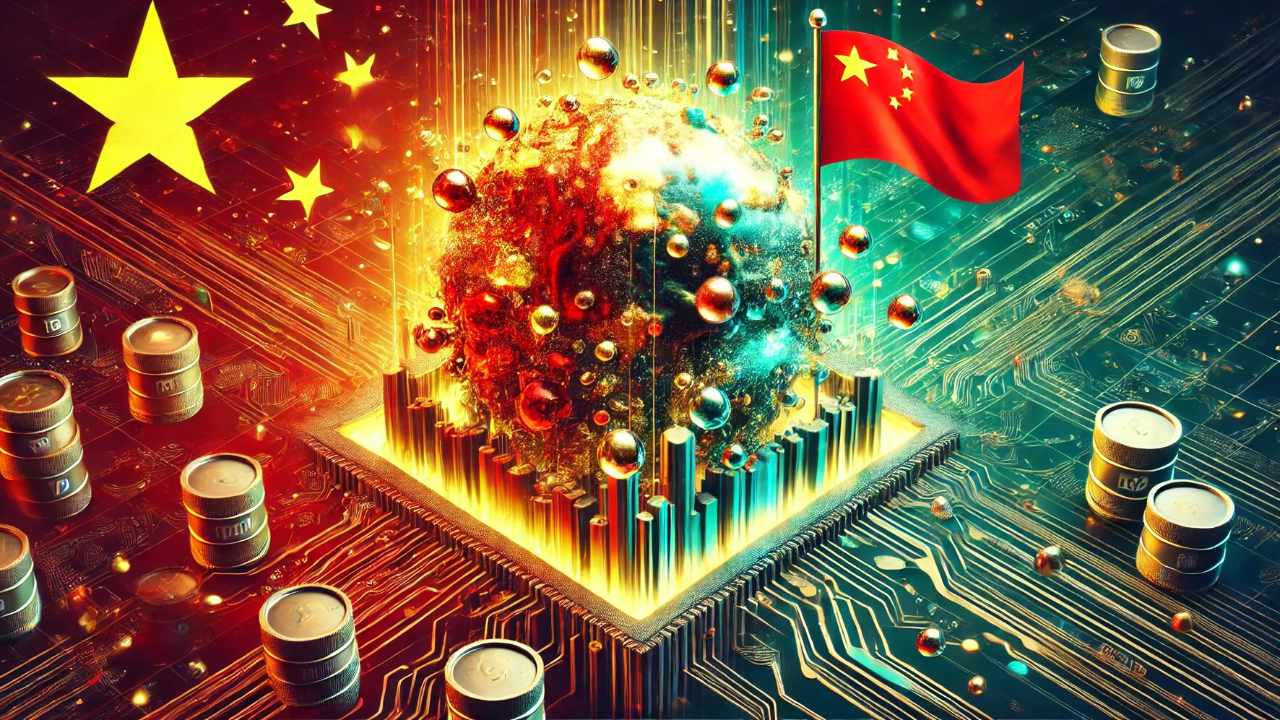
BRICS Eyes Petroyuan as Oil Trade Currency, Expert Says
Herbert Poenisch, senior fellow at Zhejiang University and former economist at the Bank for International Settlements, outlined in an opinion piece published by the Official Monetary and Financial Institutions Forum (OMFIF) why the BRICS bloc is considering introducing the petroyuan during its upcoming dedollarization efforts at the Kazan summit in October. The OMFIF is an independent think tank focused on central banking, economic policy, and public investment.
He explained that the expanded BRICS group — which now includes Brazil, Russia, India, China, South Africa, Saudi Arabia, the United Arab Emirates (UAE), Iran, Egypt, and Ethiopia — may use the Kazan summit to explore alternatives to the petrodollar system. Noting that “Saudi Arabia, the world’s main supplier of petrol, has also joined Project Mbridge, the Bank for International Settlements’ digital currency arrangement,” he opined:
The country has made comments about considering alternatives to the present dollar-based oil payments system and being open to using the petroyuan for oil settlements.
Significant developments have taken place since the 2023 Johannesburg summit, including Russia’s push to reduce reliance on the dollar, Poenisch stressed, adding: “Russia is planning a new denomination for oil, – the petroyuan – its own Mbridge system to pay for oil and even a common BRICS currency to reduce dependence on the dollar.”
However, he pointed out that challenges remain for the petroyuan, especially regarding renminbi distribution. “The main challenge for the petroyuan will be putting enough renminbi at the disposal of major oil-importing countries such as India. As they do not run current account surpluses with China, these countries do not earn enough renminbi to pay for their oil imports. They must be provided with renminbi through other channels,” Poenisch described.
Additionally, the success of the petroyuan will require a mechanism to recycle renminbi surpluses, which Poenisch argued would benefit Chinese banks. He opined:
The main beneficiaries of the renminbi’s greater role will be Chinese banks, making badly needed profits out of the recycling process.
“Western financial intermediaries can join them by arbitraging between the dollar-denominated oil market and the renminbi-denominated oil market. However, the introduction of a petroyuan will only further the fragmentation of the global financial system,” he concluded.
Do you think the introduction of a petroyuan could successfully reduce reliance on the dollar in global oil trade, or will it create more fragmentation in the financial system? Let us know in the comments section below.