BRICS nations are boosting trade in national currencies, a move Iran emphasizes as vital for reducing dollar dependence and countering the economic impact of sanctions.
BRICS Challenges Dollar Dominance: Iran Backs Local Currency Framework

This article was published more than a year ago. Some information may no longer be current.
WRITTEN BY

SHARE
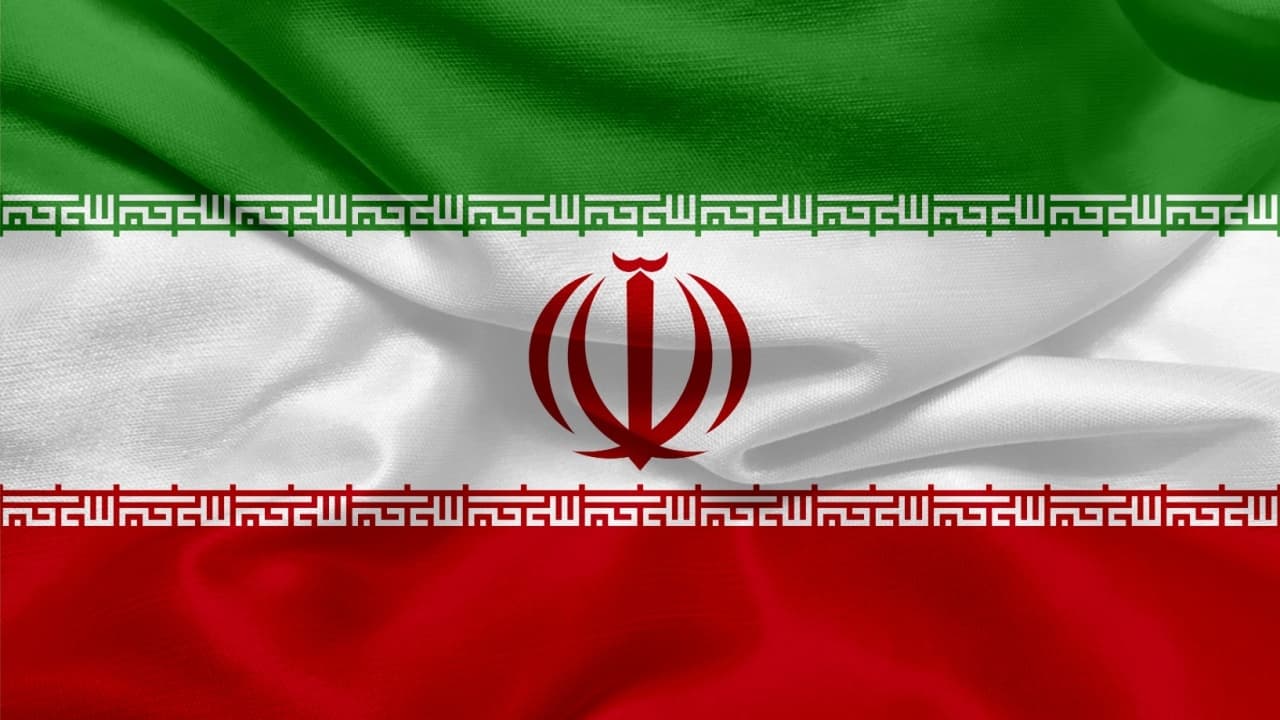
Breaking Free From the Dollar: Iran Pushes BRICS Toward Financial Sovereignty
Countries worldwide are increasingly reducing their reliance on the U.S. dollar in international trade, signaling a significant shift in global financial dynamics. On Jan. 22, Iran’s supreme leader, Ayatollah Ali Khamenei, emphasized the growing use of national currencies in transactions among BRICS nations as a critical step in reducing dependence on the dollar.
Khamenei underscored the importance of this transition in addressing economic challenges. He said in a statement released by his press service:
One of our challenges is the reliance on the dollar. The financial framework of BRICS and transactions between BRICS nations in local currencies will undoubtedly help address this issue.
“A nation under sanctions must focus more on its internal capabilities and utilize them for its objectives,” the Iranian leader further stated. The BRICS economic bloc now consists of 10 member states: Brazil, Russia, India, China, South Africa, Egypt, Ethiopia, Iran, the United Arab Emirates (UAE), and Indonesia.
The trend toward dedollarization is reflected in the increasing use of national currencies in trade among BRICS countries. Russian Foreign Minister Sergey Lavrov noted last November that transactions in national currencies among BRICS members accounted for 65% of total trade. This milestone demonstrates significant progress in reducing reliance on the dollar for bilateral and multilateral transactions.
Beyond BRICS, other international coalitions, such as the Association of Southeast Asian Nations (ASEAN), are also exploring strategies to reduce dependency on the U.S. dollar. These efforts represent a broader global initiative to diversify currency usage in international trade and mitigate risks associated with overreliance on a single currency.
Sanctions imposed by the U.S. on countries like Russia and Iran have further accelerated efforts to reduce the dollar’s dominance in global trade. By adopting alternative currencies and financial frameworks, nations seek to bypass the economic challenges posed by dollar-based sanctions, thereby gaining greater economic autonomy.