


This week, the Bitcoin Policy Institute (BPI) filed to intervene as a defendant on July 10 in a New York lawsuit seeking legal title to nearly 40,000 dormant bitcoin addresses, adding an institutional voice to a case that already pits plaintiffs’ counsel against a proposed amicus curiae.
Bitcoin Policy Institute Fights $293B Wallet Grab as Noah Doe Court Date Nears
WRITTEN BY

SHARE
Key Takeaways
- Bitcoin Policy Institute filed to intervene as a defendant on July 10, 2026, in the $293B wallet case.
- Noah Doe’s attorney asked the court on July 7 to deny Ian Cohen amicus status and lift the case stay.
- Justice Kathy J. King holds a hearing on July 14 covering BPI, Cohen and John Doe 33’s motions.
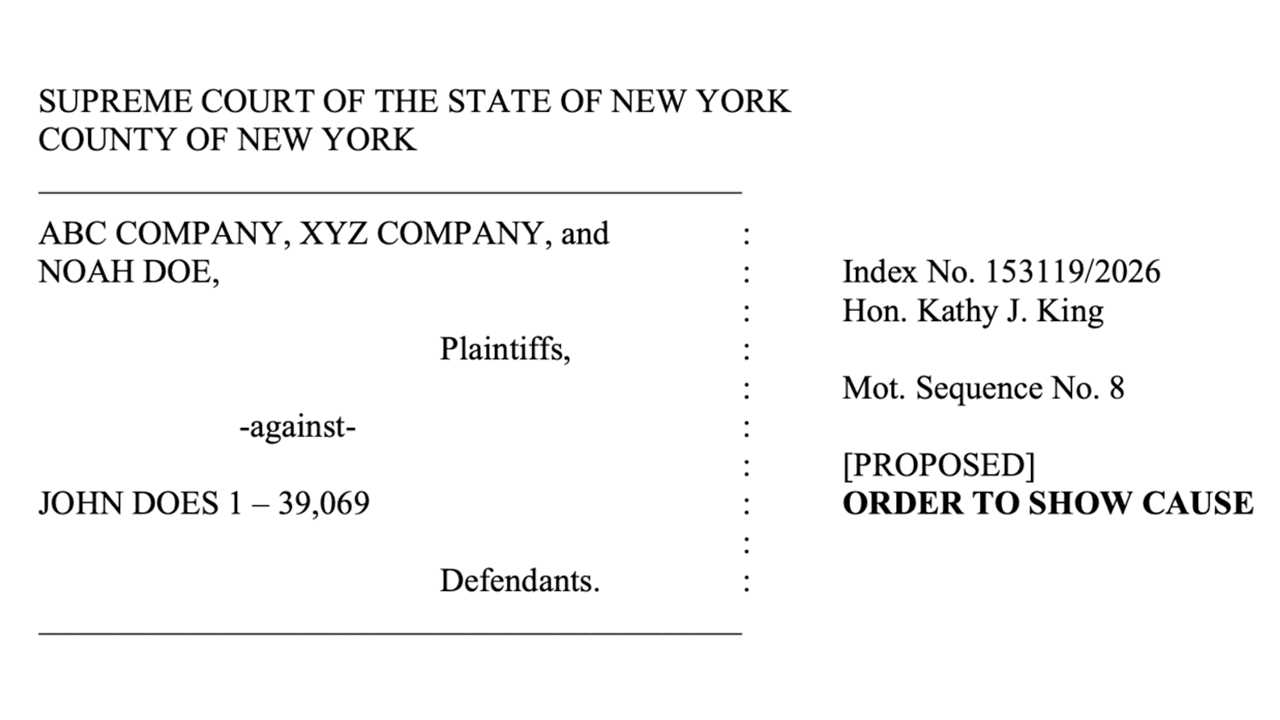
The filing lands in ABC Company, XYZ Company, and Noah Doe v. John Does 1-39,069, Index No. 153119/2026, before Justice Kathy J. King in New York County Supreme Court. Plaintiffs are asking the court to declare them the rightful owners of 39,069 bitcoin addresses under New York’s lost property statute, arguing the coins were abandoned because they sat untouched for at least five years.
BPI Says Its Own Bitcoin Is Now Exposed
Conner Brown, BPI’s managing director, laid out the stakes in a sworn affirmation. He said BPI holds a portion of its treasury in what it calls a Long-Term Reserve, bitcoin kept in self-custody with no plans to move it for years at a time.
That reserve, Brown stated, “has the same features as the so-called ‘Abandoned Wallets'” named in the suit. If the plaintiffs win, Brown warned, BPI would face pressure to abandon self-custody altogether and hand its bitcoin to a third-party custodian just to avoid a future claim.
BPI’s proposed answer, filed alongside the intervention motion, denies nearly every substantive allegation in the amended complaint and raises fifteen affirmative defenses. Among them: bitcoin addresses are not “property” under New York Personal Property Law, the court lacks personal jurisdiction over anonymous global wallet holders, and Noah Doe never became a “finder” by simply handing a list of public addresses to police.
White & Case partner Rachel Rodman, representing BPI, told the court in her own affirmation that BPI wants permission to file a motion to dismiss before submitting a formal answer.
Statement Confirms the Move
BPI confirmed the filing directly to its followers on X. The organization said it intervened “to protect BPI’s bitcoin, which we hold long-term like so many other bitcoin HODLers,” and named Rodman and White & Case partner Prat Vallabhaneni as its counsel. BPI said it would continue posting updates as the case moves forward.
Plaintiffs’ Attorney Pushes to Keep Cohen Out
While BPI was preparing its filing, Noah Doe’s attorney was fighting a separate battle against attorney Ian Cohen, who asked the court in May for permission to file an amicus brief opposing the lawsuit.
The plaintiffs’ law firm filed a memorandum on July 7 arguing that Cohen’s brief offers the court nothing useful. According to the filing, the thirty-five page submission cites only twelve judicial decisions and leans on unsupported policy arguments rather than legal authority. The plaintiffs’ attorney also argued Cohen’s claimed expertise amounts to little more than a personal hobby, not the kind of specialized knowledge courts expect from a “disinterested expert.”
The memorandum goes further, accusing Cohen of using the litigation for self-promotion. A supporting affirmation attaches exhibits showing Cohen discussing the case in a podcast appearance filed roughly ten minutes after his amicus motion, plus social media posts advertising a speaking event and urging the public to attend the July 14 hearing.
The plaintiffs’ counsel asked the court to deny Cohen amicus status, lift the stay Cohen’s filing triggered, and strike an unauthorized opposition brief Cohen submitted on June 19 without first asking the court’s permission.
More Voices Enter the Case
BPI is not the only outside party weighing in. The Digital Chamber, a digital asset trade group, filed a notice of appearance on July 9 through attorney Stephen D. Palley of Brown Rudnick, signaling its own interest in the outcome.
Separately, a pseudonymous wallet holder identifying as John Doe 33 became the first named defendant to formally contest the suit, filing a motion to dismiss on June 30. On-chain activity has also complicated the plaintiffs’ abandonment theory, with several named wallets moving bitcoin in the weeks since the case drew public attention, including a 500 BTC transfer on July 2.
What Comes Next
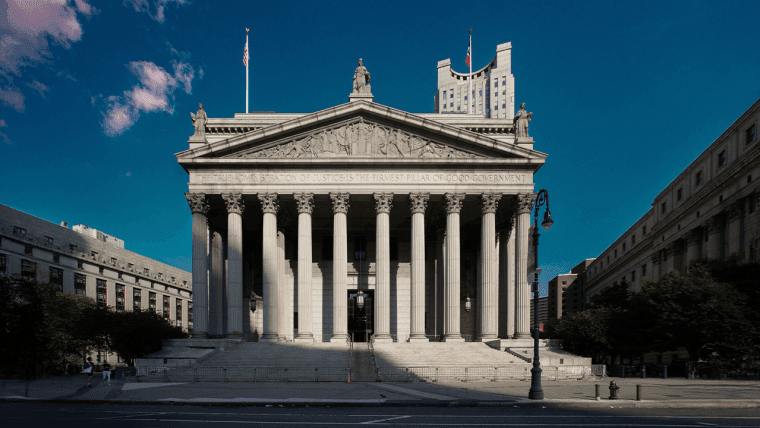
Every thread in the case converges on a single date. Justice King is scheduled to hear oral arguments on July 14 at 10:30 a.m. at 60 Centre Street, addressing Cohen’s amicus application, the ongoing stay, John Doe 33’s motion to dismiss, and now BPI’s request to intervene.
One of the biggest things the plaintiffs will likely face is John Doe 33’s motion to dismiss and the judge being notified of all the BTC that moved after the filing of this case. Bitcoin.com News has broke the news on several onchain transfers from the Noah Doe case, as has Sani from timechainindex.com and Galaxy Research as well.
The hearing will not resolve the underlying declaratory judgment claim, but it will determine who gets a seat at the table as the case moves forward. With BPI, the Digital Chamber, and an actual wallet holder now pushing back, the plaintiffs face a far more crowded courtroom than the one they anticipated when the case first appeared headed toward default.

A pseudonymous bitcoin holder has become the first named defendant to challenge New York's closely watched lawsuit seeking ownership of…
Read Now: $293B Bitcoin ‘Noah Doe’ Lawsuit Faces Major Test After First Wallet Holder Files Motion to Dismiss