


Bitcoin is trading less than $3,000 above the average price at which Germany dumped nearly 50,000 seized coins in 2024, reviving a debate over one of the most criticized sovereign sales in the asset’s history.
Bitcoin Nears the Price Germany Sold At — Should Berlin Buy Back 49,858 BTC?
WRITTEN BY

SHARE

Key Takeaways
A Gap That Has Nearly Closed
Bitcoin is now less than $3,000 away from the level where Germany sold, sparking the moment with a blunt question, i.e. “Should Germany buy back?” The observation reopens scrutiny of a 2024 sale that critics spent the following year holding up as a cautionary tale.
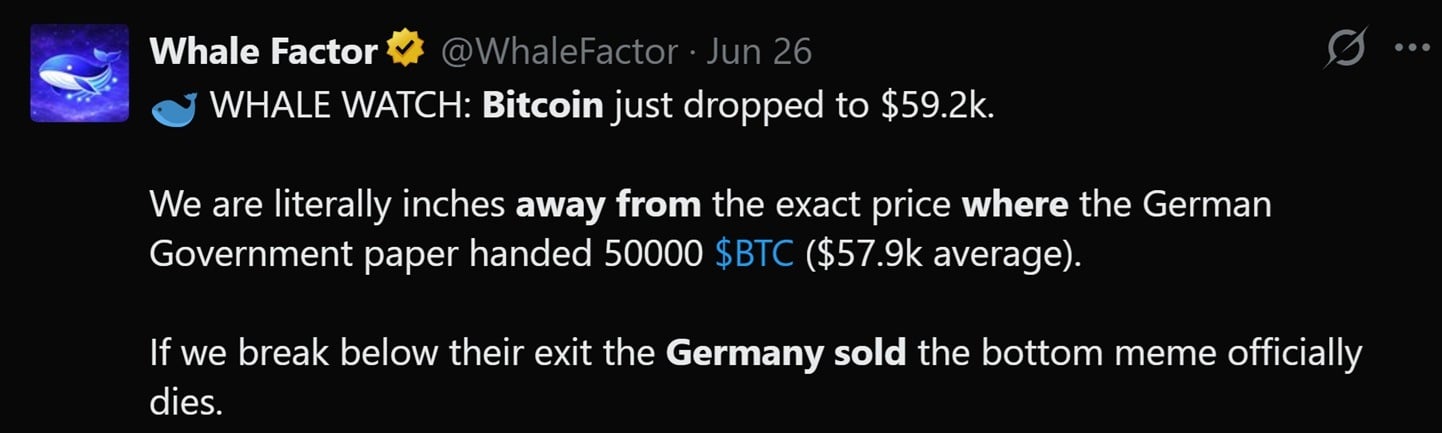
Between June 19 and July 12, 2024, the German government liquidated 49,858 bitcoin for roughly $2.89 billion, an average of about $57,900 per coin. The coins had been seized in connection with the operator of movie2k, once one of Germany’s largest piracy sites, and under German law seized assets must be sold promptly.
The timing drew heavy criticism, given bitcoin climbed toward a $125,000 record just months later, leading analysts to estimate that Germany forfeited billions in potential gains. At the time, Bitcoin.com News also reported that the government had emptied its wallets entirely, confirming it was out of bitcoin.
From Blunder to Break-Even
The narrative has shifted as prices fell back toward Germany’s exit level and with bitcoin sliding through much of the year, the gap between the market and the government’s average sale price has narrowed sharply, and some observers now argue the sale looks far less embarrassing than it did at the peak.
At the height of the rally, Germany’s decision appeared to be a textbook example of selling too early, but near its current break-even rates, the calculus looks more like a government that exited a volatile position and avoided a deep drawdown (rather than one that simply left money on the table).
Still, the episode hardened a view among bitcoin advocates that states should treat seized coins as a reserve asset rather than something to be auctioned off. A German member of parliament had already criticized the sales and urged the government to hold BTC as a strategic reserve, a position that has since gained traction as other countries have moved to accumulate.
Would Berlin Actually Buy?
Germany has shown no public appetite for acquiring bitcoin, and any purchase would mark a sharp reversal from a legal framework built around prompt liquidation of seized property. Reversing course would require both political will and a rethink of how the state treats digital assets.
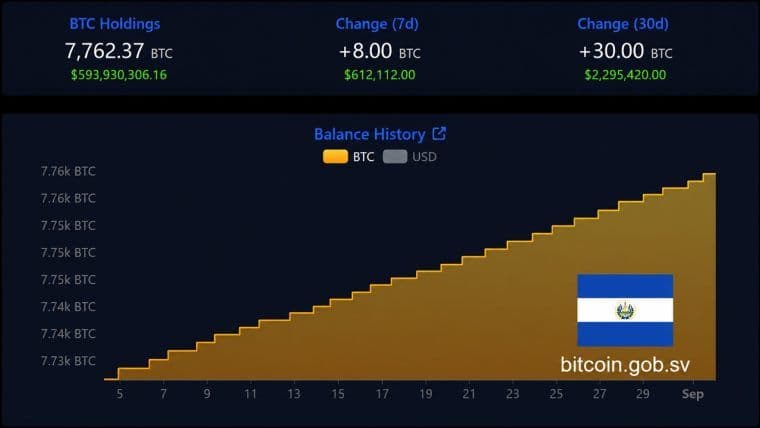
The contrast with other governments is stark, as nations such as El Salvador and Bhutan have chosen to accumulate bitcoin while the U.S. has debated a strategic reserve, leaving Berlin’s 2024 exit looking increasingly out of step with a broader shift toward holding.
El Salvador added 8 BTC to its national bitcoin reserve over the past seven days, lifting its total holdings above…
Read Now: El Salvador Keeps Stacking: 8 BTC Added in a Week as Reserve Tops 7,689 BTC