Brevis recently launched an end-to-end media authenticity system that allows images and videos to cryptographically prove their origins while protecting user data.
Beyond AI Detection: Brevis Unveils System to Cryptographically Verify Media Origins
WRITTEN BY

SHARE
The Shift From Detection to Proof
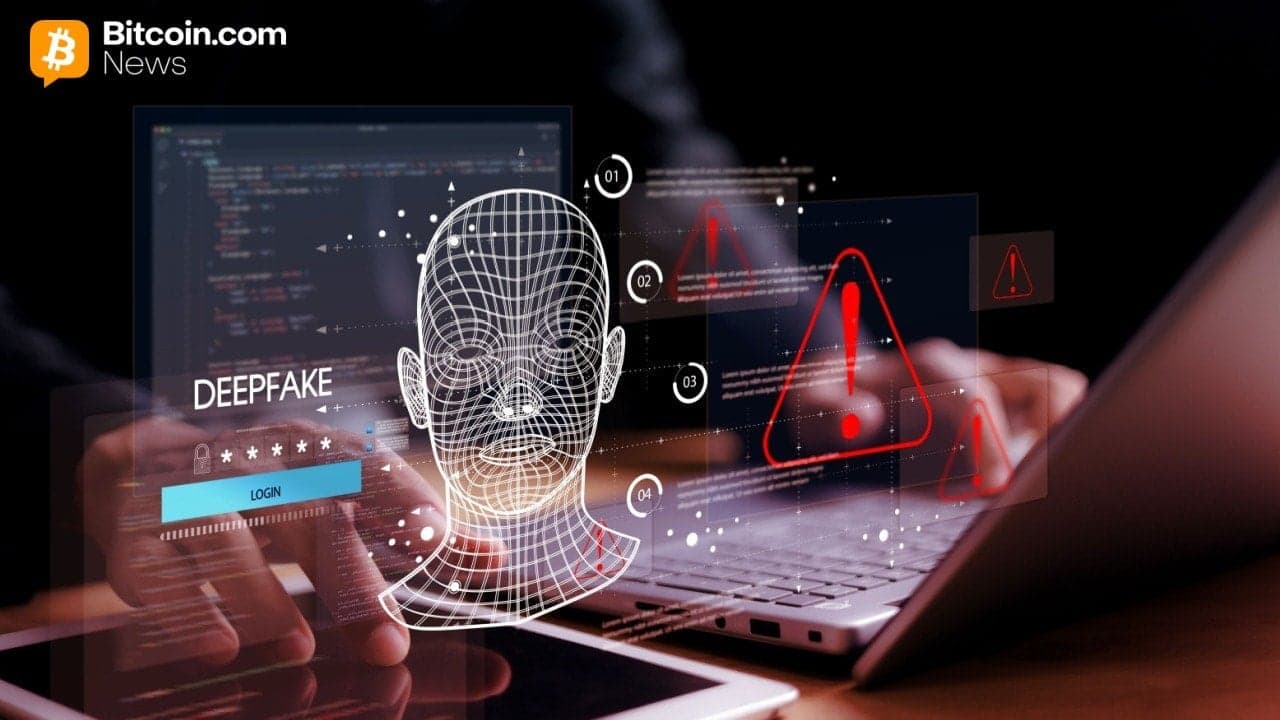
On March 9, 2026, the zero-knowledge-proof computing company Brevis launched an end-to-end media authenticity system designed to tackle the online trust crisis. Known as Brevis Vera, the system enables images and videos to cryptographically prove their origins and history without exposing user data.
With deepfakes growing more advanced, the industry has leaned on artificial intelligence (AI) detectors to spot fakes. However, Brevis calls this a losing battle. “Detectors are a moving target,” the company said in a blog. “Vera takes a different approach. Rather than asking if media looks real, it lets media prove where it came from.”
Current C2PA signatures authenticate files at capture but break the moment edits are made, forcing a choice between using raw files or losing proof of authenticity. Vera bridges this gap with Brevis Pico, a zero-knowledge virtual machine (zkVM) that generates mathematical proofs showing that edits, such as cropping or resizing, were legitimate transformations of the original.
From Lens to Screen
According to a blog post, Vera’s workflow runs in three integrated phases. First, media is signed at the capture source by C2PA-enabled devices. Next, the zkVM proofs preserve that authenticity as the file undergoes edits or compression. Finally, platforms display a “Vera-certified” badge that provides users with a complete, verified history of the digital asset.
The unveiling of the tool comes at a critical inflection point for global stability. In the first quarter of 2026 alone, the digital landscape has been rocked by high-fidelity government impersonators and hyper-realistic deepfakes targeting political candidates in major international elections.
SEC Sounds Alarm as Crypto Scammers Flood Group Chats With AI-Powered Cons
Crypto scams are rapidly migrating into private group chats, where fraudsters pose as trusted experts, use AI-powered deception, and funnel…
Read Now

SEC Sounds Alarm as Crypto Scammers Flood Group Chats With AI-Powered Cons
Crypto scams are rapidly migrating into private group chats, where fraudsters pose as trusted experts, use AI-powered deception, and funnel…
Read NowSEC Sounds Alarm as Crypto Scammers Flood Group Chats With AI-Powered Cons
Read NowCrypto scams are rapidly migrating into private group chats, where fraudsters pose as trusted experts, use AI-powered deception, and funnel…
These incidents have fueled what experts call the “Liar’s Dividend”—a phenomenon where the mere existence of deepfakes allows bad actors to dismiss genuine evidence of corruption or war crimes as AI-generated. The company noted that the default reaction to striking images has shifted from curiosity to suspicion. However, with Vera, authenticity becomes the default and truth is once again verifiable.
FAQ ❓
- What is Brevis Vera? Brevis Vera is a media authenticity system launched by Brevis on March 9, 2026, designed to verify the origins of images and videos without compromising user data.
- How does Brevis Vera differ from AI detectors? Unlike AI detectors that struggle with evolving deepfakes, Vera allows media to cryptographically prove its authenticity rather than just assessing its realism.
- What role does the Brevis Pico zkVM play? Brevis Pico generates mathematical proofs that verify legitimate edits to media files, ensuring authenticity is maintained throughout the editing process.
- Why is Vera important now? With the rise of sophisticated deepfakes and misinformation, Vera restores trust by providing “Vera-certified” badges that confirm a digital asset’s verified history.