Arthur Hayes, co-founder of Bitmex, argues that the upcoming U.S. presidential election presents a unique opportunity for crypto advocates to leverage their voting power. With both major political parties vying for a narrow margin of swing voters, Hayes believes the crypto community could play a decisive role in determining the outcome.
Arthur Hayes on Bitcoin's Political Clout: Can Crypto Voters Influence the 2024 Election?

This article was published more than a year ago. Some information may no longer be current.
WRITTEN BY

SHARE
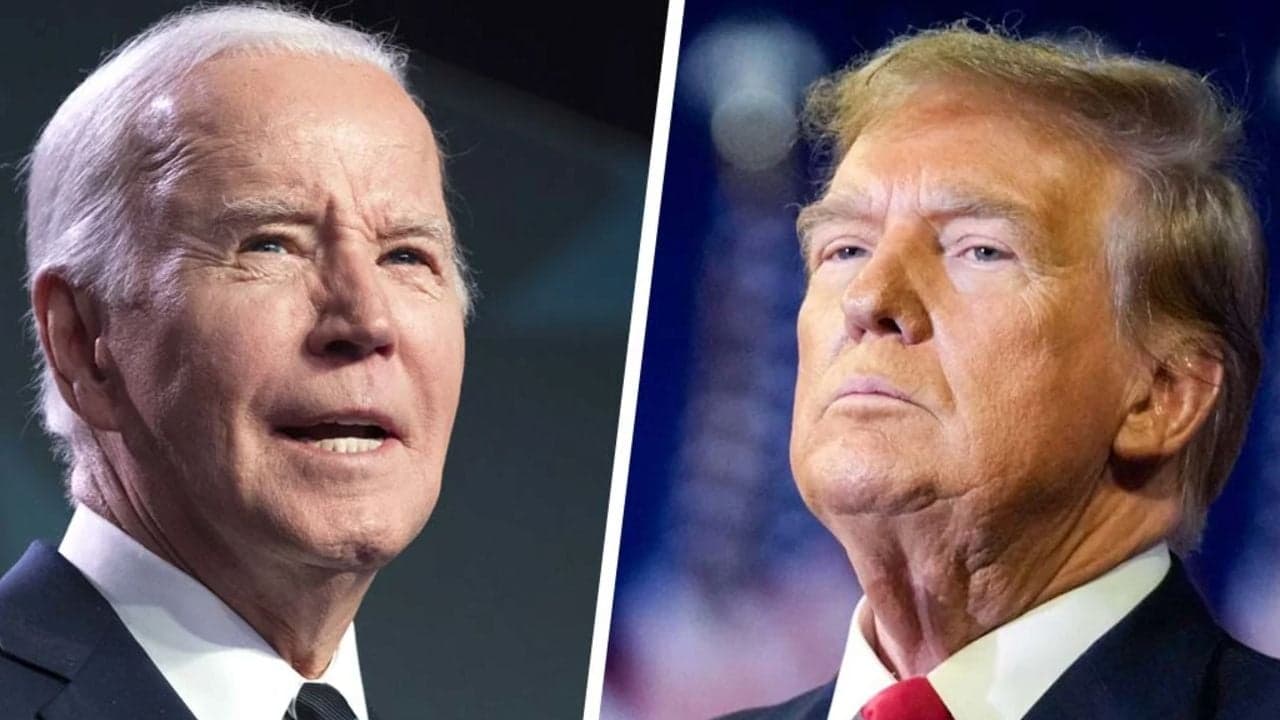
Arthur Hayes on Crypto’s Political Power
Arthur Hayes, in a recent blog post, highlights the emerging significance of bitcoin and other cryptocurrencies in global finance and politics. Hayes asserts that the rise of digital currencies has not only transformed economic transactions but also introduced new dynamics in political campaigns. Notably, former President Donald Trump has recently expressed support for the crypto industry, eyeing the potential votes from the burgeoning crypto community.
Hayes points to Trump’s statements, such as his intention to pardon Ross Ulbricht, the founder of the Silk Road trading platform, as evidence of Trump’s strategic pivot towards crypto-friendly rhetoric. Ulbricht is serving a life sentence for running an online marketplace that predominantly used bitcoin for transactions. Hayes argues that Trump’s move aims to attract young, politically active crypto enthusiasts who could swing the election in his favor.
Hayes writes:
A few thousand voters will decide the US presidential election in key swing states such as Michigan, Pennsylvania, and Florida. Courting the young, politically active, and nouveau riche crypto cohort could hand Trump the election.
However, Hayes also reflects the skepticism within the crypto community regarding political endorsements. He notes that many believe politicians, including Trump, may not genuinely support crypto but rather see it as a tool for electoral gain. This skepticism stems from the fear that once elected, these politicians might revert to stringent regulations that could stifle the industry’s growth.
In his blog post, Hayes outlines a strategic approach for crypto holders in the upcoming election. He suggests that the approximately 50 million American adults who own crypto could form a powerful voting bloc. By uniting on a single-issue platform—support for favorable crypto legislation—they could compel politicians to enact laws that benefit the industry before the election.
Hayes emphasizes the importance of a straightforward legislative proposal that would classify cryptocurrencies as protected speech under the First Amendment. This protection would prevent government interference in holding or transferring crypto, thus fostering a more favorable regulatory environment. The proposed bill, succinct and clear, could be swiftly enacted if backed by a significant portion of the electorate.
According to Hayes, the potential impact of such a voting bloc is substantial. He points out that if the crypto community votes together, they could influence the outcomes of key congressional, senatorial, and presidential races. This collective action could ensure that elected officials prioritize the interests of crypto holders, leading to more progressive and supportive legislation.
The Bitmex co-founder states:
This is more effective than hoping that Trump keeps his word about various pro- crypto policy proposals because this bill could become law in weeks.
Hayes calls for action from crypto advocates: mobilize, vote, and demand concrete legislative changes. By doing so, he believes the crypto community can ensure that their interests are represented and safeguarded in the political arena. This approach, Hayes argues, not only empowers crypto holders but also promotes the broader acceptance and integration of digital currencies in mainstream finance.
What do you think about Arthur Hayes’ perspective on Bitcoin’s so-called political clout? Share your thoughts and opinions about this subject in the comments section below.