The Arkansas Senate has rejected Senate Bill 60, which sought to prohibit digital asset mining businesses from operating within 30 miles of military facilities.
Arkansas Senate Rejects Bill Restricting Bitcoin Mining Near Military Sites

This article was published more than a year ago. Some information may no longer be current.
WRITTEN BY

SHARE
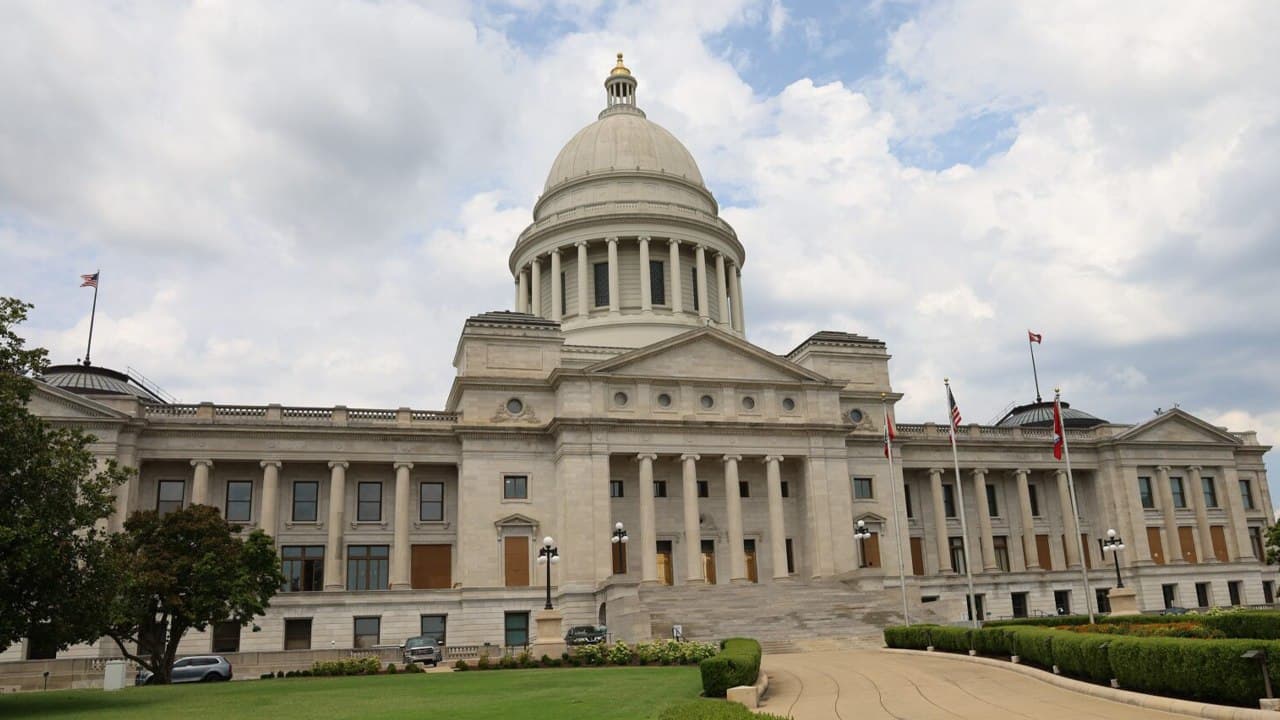
Arkansas Legislature Rejects Digital Asset Mining Restriction
The bill, introduced by Senator Hill and Representative Evans, aimed to amend the Arkansas Data Centers Act of 2023. It proposed restrictions on bitcoin ( BTC) mining operations near military sites, citing national security concerns. If enacted, the legislation would have prevented new crypto mining businesses from obtaining permits within the restricted area and would have required the shutdown of existing operations unless they had been permitted before December 31, 2024.
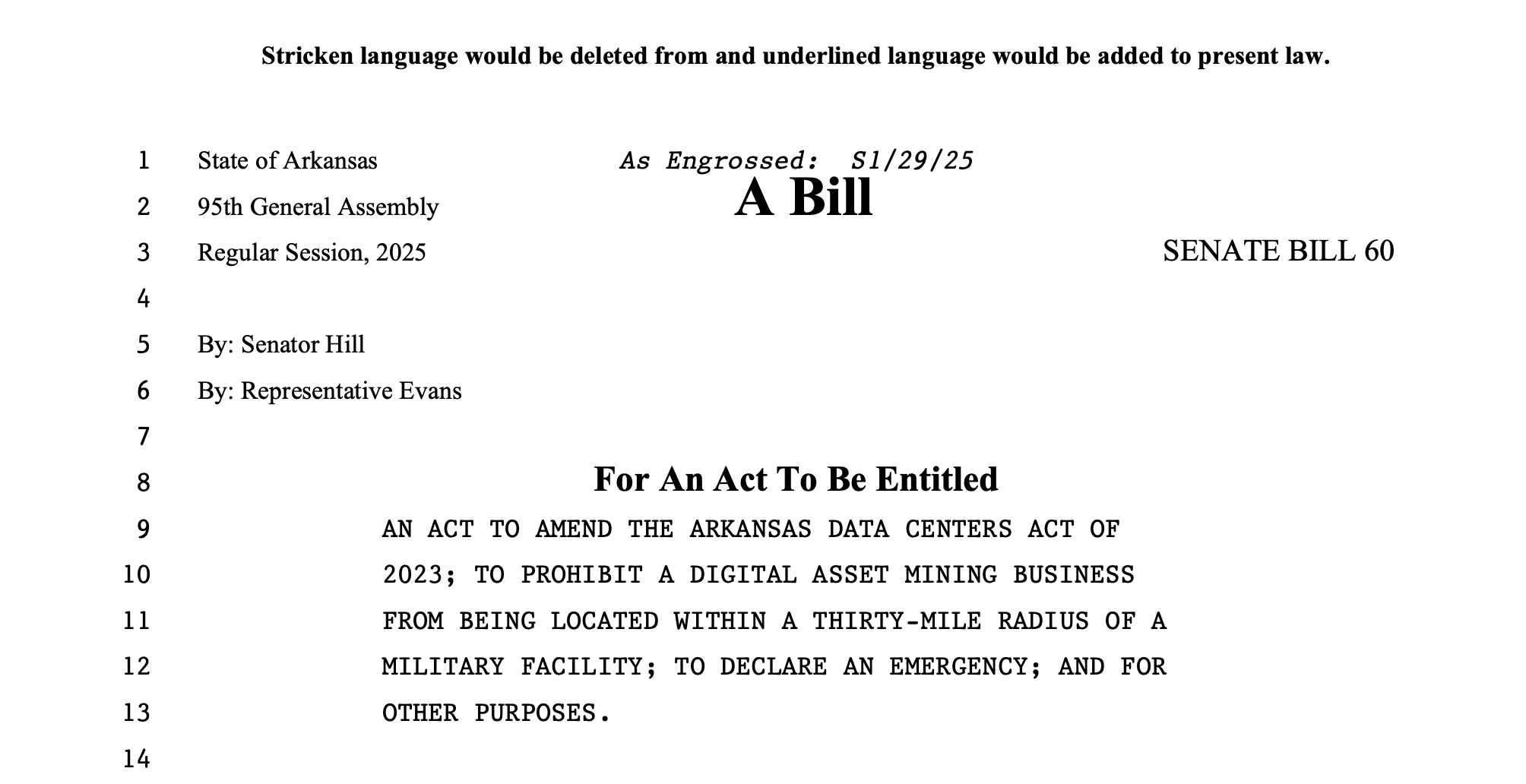
Military facilities specified in the bill included Little Rock Air Force Base, Camp Joseph T. Robinson Maneuver Training Center, Ebbing Air National Guard Base, Fort Chaffee Joint Maneuver Training Center, and Pine Bluff Arsenal. The legislation defined “operation” as generating income through securing a blockchain network, effectively targeting commercial bitcoin mining ventures.
The bill also granted the Arkansas Attorney General authority to investigate potential violations, subpoena witnesses, and order businesses to cease operations if found non-compliant. Additionally, the Oil and Gas Commission would have been responsible for revoking permits for mining operations within the restricted zones.
Supporters of the bill argued that crypto mining near military installations could pose risks to national security and state infrastructure. The emergency clause included in the proposal emphasized these concerns, stating that the law was necessary for the “health and safety” of Arkansas and its residents.
Despite these arguments, the Senate’s decision to reject the bill leaves digital asset mining businesses free to operate without additional geographic restrictions. The outcome reflects an ongoing debate over the balance between economic development in the growing bitcoin mining industry and regulatory oversight related to security concerns.