


Bitcoin’s climb to multi-month highs ran on spot buying, not borrowed money, giving the rally a longer runway than a typical squeeze, Bitfinex analysts say. The coins now in profit could still trigger 2026’s largest wave of profit-taking.
Analysts See Strong Bitcoin Rally, But Profit-Taking Risk Remains

This article was published more than a month ago. Some information may no longer be current.
WRITTEN BY

SHARE
Key Takeaways
- Bitcoin buyers from the past five months profit above $68,000.
- Coins sent to exchanges in profit are the rally’s biggest threat.
- Bitcoin ETFs pulled in $606 million on Aug. 20, the most since May.
Why Bitfinex Sees a Longer Runway Than a Squeeze
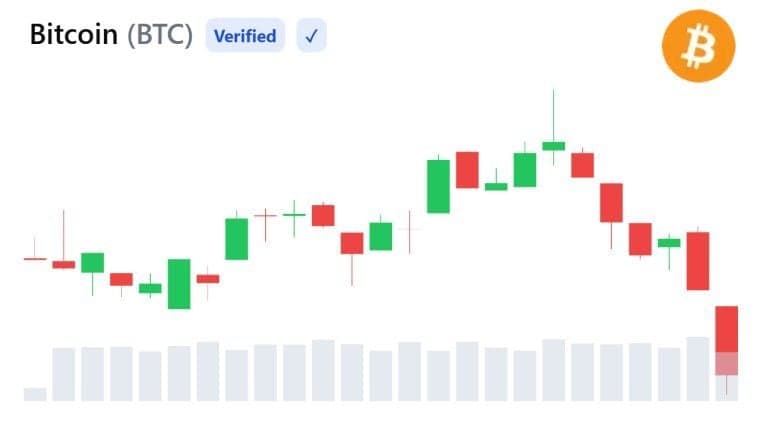
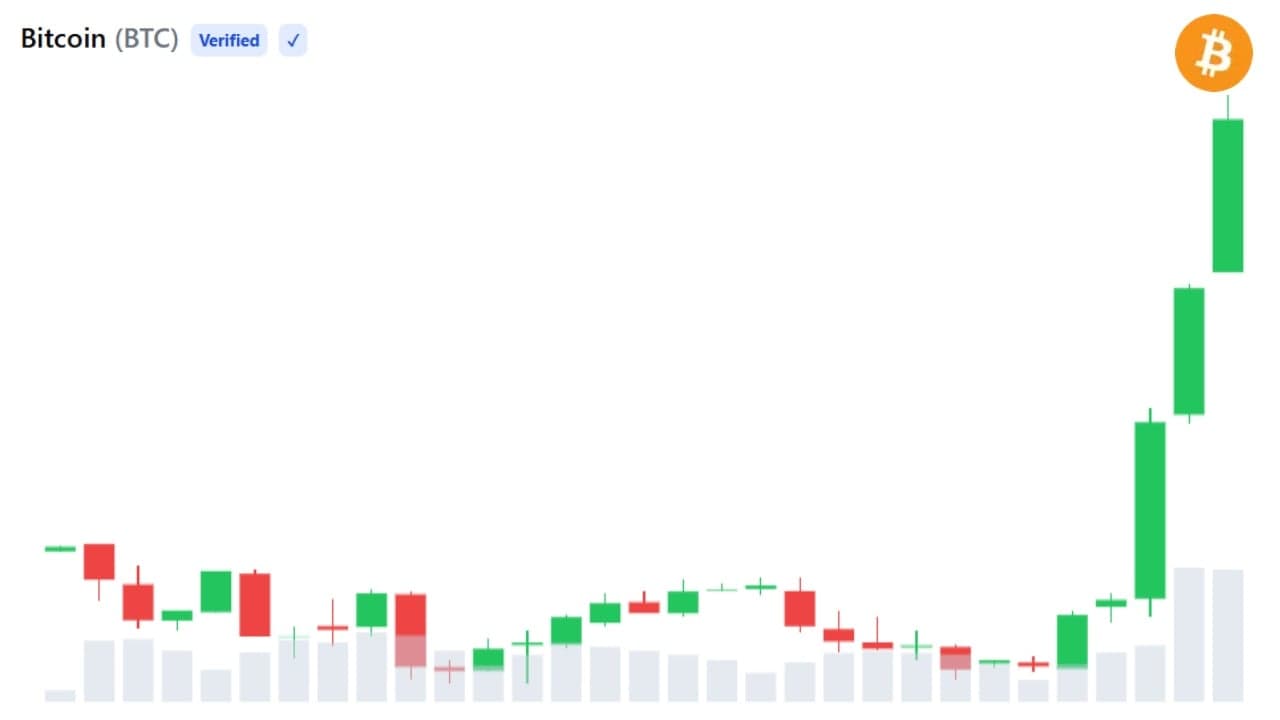
Bitcoin’s climb to a multi-month high has left every buyer from the past five months sitting on a paper gain. The price peaked at $79,491 on Aug. 21, and analysts at crypto exchange Bitfinex said spot demand and short covering, not fresh leverage, carried the move. Rallies built on borrowed money unwind faster than rallies built on cash purchases.
In a statement to Bitcoin.com News, Bitfinex analysts shared:
“Squeeze-led rallies usually carry a question mark over whether they hold, because liquidations do the lifting.”
“Here the combination of ETF demand, the macro shift and the absence of heavy selling gives this one a longer runway, with small retracements along the way,” they added.
What Pushed Yields Down and Bitcoin Up
The U.S. Department of the Treasury announced on Aug. 19 that it would double the maximum size of its long-end liquidity support buybacks. Each operation will now reach at least $4 billion, up from $2 billion, and the larger sizes apply from Sept. 9 through Nov. 4.
Liquidity conditions have shaped BTC’s price for a decade, with bitcoin’s four-year boom-and-bust cycle providing historical context for those shifts. Global liquidity indices have shown roughly 90% correlation with bitcoin since 2015, while cheaper funding at the long end of the curve tends to support risk assets.
Short sellers took the first hit on Aug. 19, when bitcoin jumped to $69,749 and about $1.48 billion in crypto positions liquidated inside an hour, most of them shorts. Spot bitcoin ETFs added $297.6 million the same session. The squeeze supplied the first leg, and what followed came from buyers paying cash.
Spot Buying or Leverage: How to Tell the Difference
Open interest measures the total value of futures contracts left open, and it rises when traders add borrowed exposure. A rally that lifts price and open interest together is running on credit. One that lifts price while open interest lags is running on cash.
“The shape of the move is the tell. Rallies built on fresh leverage show open interest jumping in step with price. Price climbed 10 to 11 percent while open interest (OI) rose only around 4 percent, which points to spot buying and short covering doing the work, with leverage playing a minor role,” the exchange’s research desk noted, adding:
“The weaker version of this setup is open interest stacking up while price stalls, and that isn’t what happened.”
Why $68,000 Is the Line That Decides the Next Move
Buyers from the past five months share a cost basis in the $68,000 to $69,000 zone, the level Bitfinex flags as the most important line on the chart. Bitcoin trading above it keeps that cohort in profit and takes away the pressure that pushes underwater buyers to sell any bounce.
The record high of $126,000 in October 2025 gave way to a drawdown that dragged BTC near $64,000 earlier this month. Five boom-and-bust cycles have shaped that history, each one reshuffling who holds coins at what price.
What US Buyers Have to Prove This Week
U.S. spot bitcoin ETFs pulled in $606.29 million on Aug. 20, their largest single day since May 1, with Blackrock’s IBIT capturing 82% of the total. Net assets across the funds reached $90.16 billion, while ether products took in $220.77 million.
A full week at that pace would harden the support beneath the price and mark a real shift in demand structure, by the analysts’ reckoning. Aug. 20 was the fourth consecutive session of inflows. Whether the pace holds through the coming week decides how much of the rally has a floor under it.
The Coinbase Premium gauges whether U.S. buyers pay more for bitcoin than traders on offshore venues. It printed negative in every session from May 19 through late July, a record stretch beyond 70 trading days. Bitfinex treats a return to positive territory as clean confirmation that American demand has come back.
What Could Stop the Rally
Treasury Secretary Scott Bessent told CNBC on Aug. 20 that buyback operations could exceed $4 billion per issue. The 30-year yield had reached roughly 5.33% earlier in the week, then fell 8 to 10 basis points once Treasury confirmed the larger operations. Long-dated bonds remain the pressure point for risk assets.
The Bitfinex team cautioned:
“The obvious risk is the volume of bitcoin sent to exchanges in profit during this move, which could turn into the largest profit-taking wave of the year if it lands.”
Real yields climbing back to the levels that pinned bitcoin below $65,000 through July would test the rally faster than any on-chain signal. Bitfinex analysts warned on Aug. 4 that the market stays macro-dependent, with strain from long-dated bonds passing straight through to price. Treasury figures released Aug. 19 put the national debt above $40 trillion for the first time.

Blackrock says bitcoin's more than 50% pullback from its October 2025 high hasn't changed the asset's long-term investment case, and…
Read Now: Blackrock Believes Bitcoin’s Investment Case Holds Despite 50% Drop