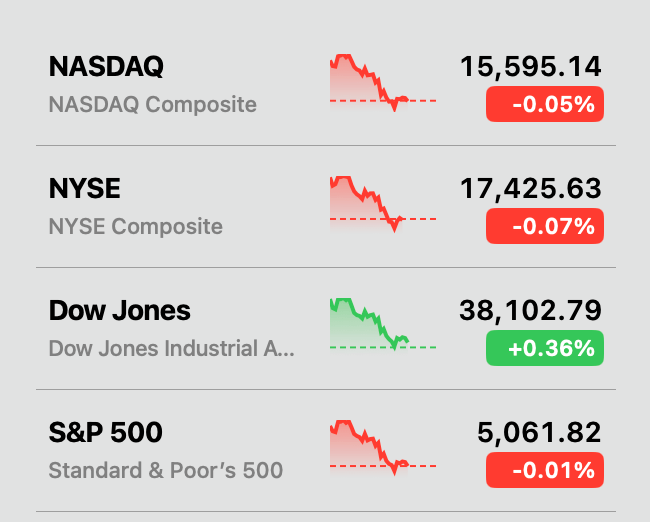
The early uptick in both equities and digital assets lost steam by Tuesday afternoon, as multiple key U.S. indices drifted into the red. Later in the day, the White House affirmed that the tariff rate on Chinese imports would climb to 104%.
104% Tariff — Trump Signals Tough Stance on China as Markets React Cautiously

This article was published more than a month ago. Some information may no longer be current.
WRITTEN BY

SHARE
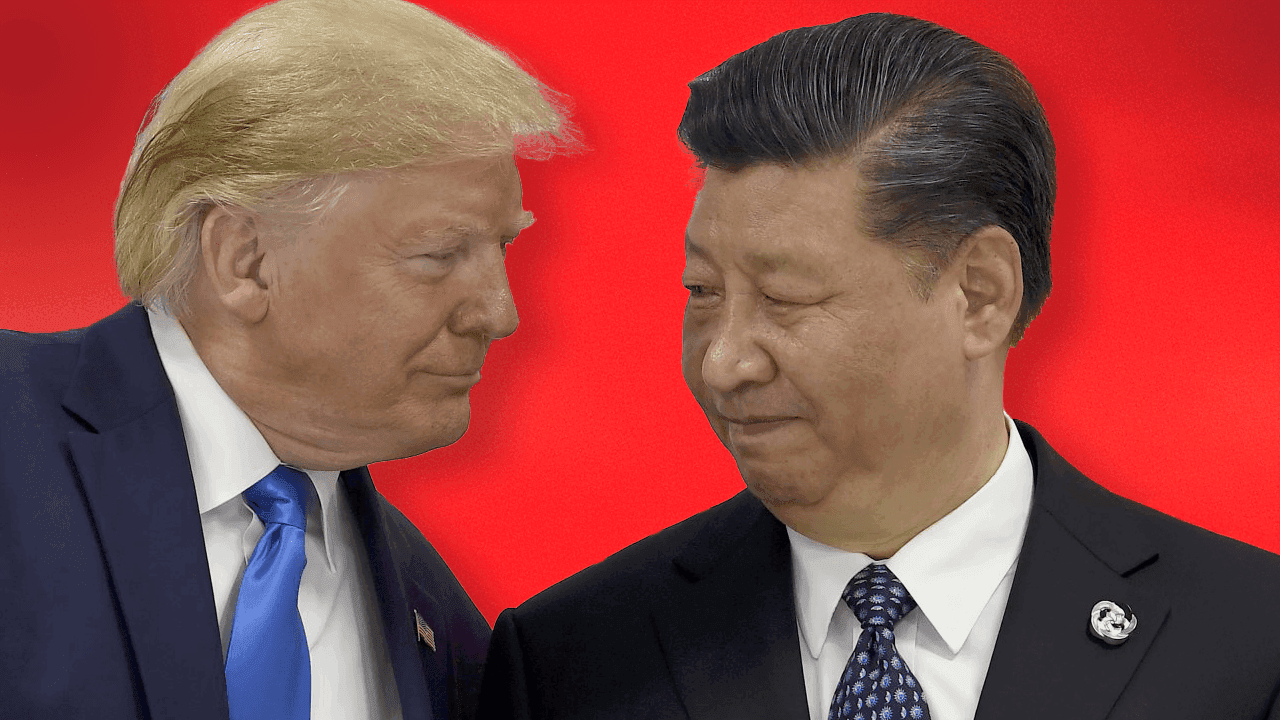
Stocks Meander, Crypto Dips as U.S.-China Trade Conflict Escalates
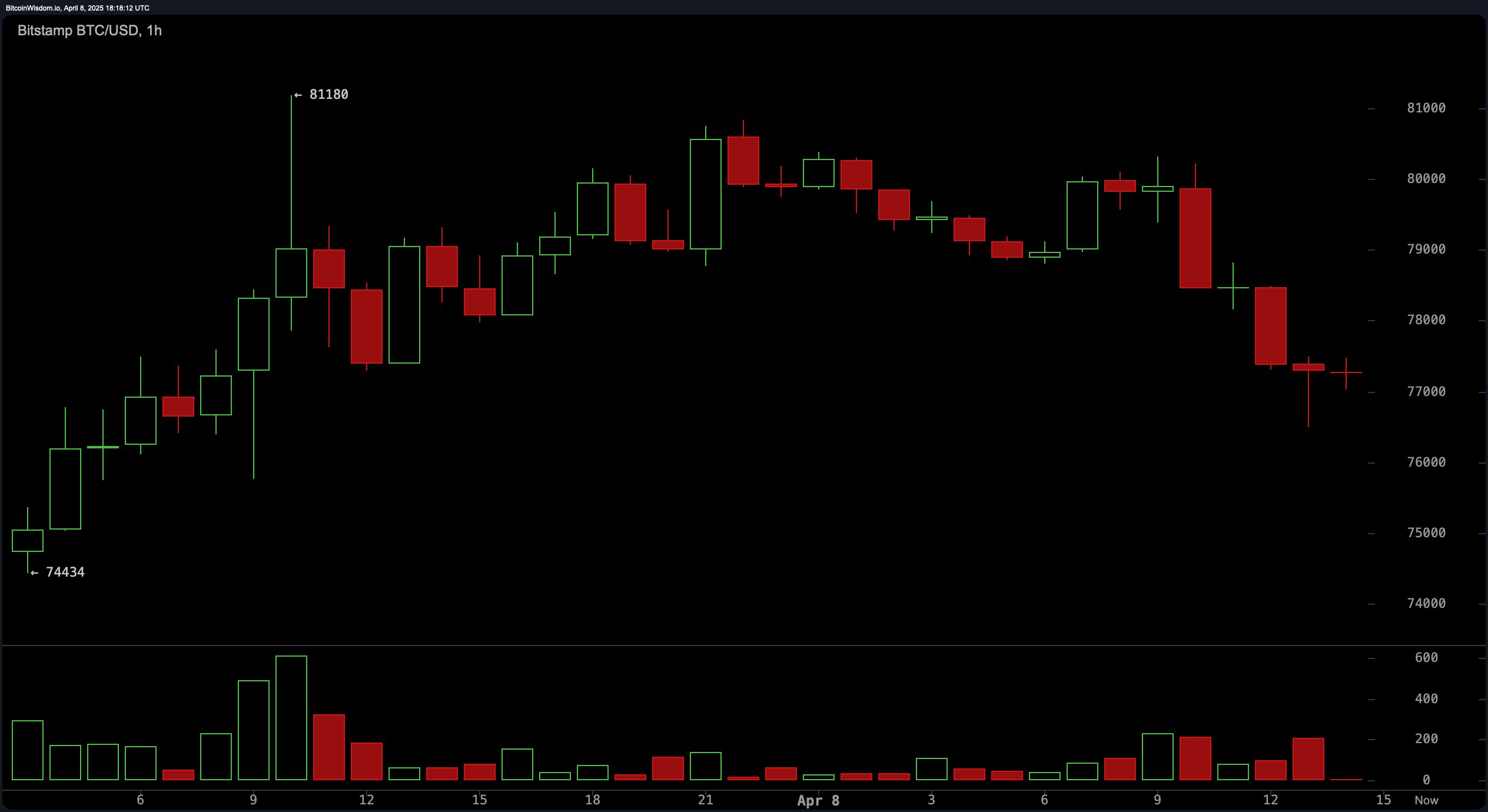
By 2 p.m. on Tuesday, the bulk of the morning’s advances across the NYSE, Nasdaq, Dow Jones, and S&P 500 had been wiped away. The crypto market has dipped by 2.5% over the past 24 hours, bringing its total valuation to $2.43 trillion. Bitcoin ( BTC) briefly dropped to $76,500 before recovering and crossing back over the $77K threshold. Gold, meanwhile, remains below the $3K mark, trading at $2,981 per ounce.
President Donald Trump’s tariffs are set to take effect at midnight unless reversed. On Tuesday, Trump stated that China could face tariffs as high as 50% unless it withdrew its retaliatory measures—though that figure has since doubled. According to the White House, the U.S. tariff rate on Chinese imports will leap to 104%, as reported by CNBC.
China has responded with threats of 34% counter-tariffs and appears unwilling to yield. Posting on Truth Social, Trump mentioned having a “great call” with the acting president of South Korea. He concluded the message by claiming that China is eager to strike a deal with him. “China also wants to make a deal, badly, but they don’t know how to get it started,” Trump said. “We are waiting for their call. It will happen.”
According to a report from the New York Times (NYT), China’s President Xi Jinping shows no intention of retreating from the confrontation. In an editorial published Tuesday, the NYT highlighted that his Ministry of Commerce accused the United States of “blackmail” and vowed that Beijing would “fight to the end.” From an economic standpoint, Trump has consistently taken aim at China, accusing it of engaging in unfair trade tactics such as intellectual property theft, coerced technology transfers, and the use of export subsidies.
Austan Goolsbee, president of the Chicago branch of the Federal Reserve, remarked that policymakers might need to act swiftly, adding that the tariffs are “way bigger” than he had expected. “We just lived through and learned what happens when inflation is raging out of control,” Goolsbee said in an interview with Illinois Public Radio. On Polymarket, the probability of an emergency rate cut by the Fed climbed 3 percentage points on Tuesday.